It's no secret that fewer people are heading outdoors these days, with a particularly sharp decline amongst young people. Researchers believe that the rise of technology, including smartphones, tablets, and video games, has helped to erode interest in outdoor pursuits, as many now prefer to stay inside with their gadgets rather than go for a hike or on a camping trip. But The North Face has come up with an interesting new way to possibly spur interest in the outdoors once again, and with an ironic twist, they're using technology to do so.
At the Outdoor Retailer Winter Market convention, currently taking place in Salt Lake City, the gear company introduced the Virtual Outdoor Project, which uses virtual reality video footage – specifically created for the Oculus Rift – that was shot by the wizards at Camp 4 Collective. Reportedly, the result is an immersive experience designed to create a sense of being outdoors in some incredibly wild and remote area.
For those not familiar with the Oculus Rift, it is a virtual reality headset that has become the talk of the tech world over the past year or so. With high resolution video screens and head-tracking technology, it creates an incredibly immersive experience that allows users to experience an environment that exists 360º around the viewer. In other words, tilt your head to the left and you'll see what is happening in that direction. Turn around completely and you'll see things that are taking place behind you.
According to the Stephen Regenold of the Gear Junkie, the video experience that The North Face was sharing at Outdoor Retailer transported viewers to Yosemite National Park to experience a difficult rock climb up a route called "Separate Reality" from the eyes of the climber himself. The VR film included amazing views of the surrounding landscape, and captured the experience of what it was like to be scaling a big wall. At one point, the climber even loses his grip, falling down the rock face momentarily until his protection arrested the drop. The experience for Stephen made his stomach drop however, as the virtual reality environment simulated the plunge a little too closely. Later, the video even followed some BASE jumpers as they plunged off a cliff, capturing their fall in in "360 and 3D" as well.
North Face intends to roll out this VR project to its retail stores sometime this year. That means if you have a store in your area (Mine just opened!), you'll be able to drop by and give it a go yourself. The hope is that by bringing a virtual outdoor experience to customers, they may inspire more people to actually get outside themselves. Int his case, virtual reality may spur interaction with actual reality.
Call me a pessimist in this regard, but my guess is that it will probably spur consumers to actually want to buy an Oculus Rift or similar product, rather than actually go spend some time int he wild, but we'll see.
Technology etiketine sahip kayıtlar gösteriliyor. Tüm kayıtları göster
23 Ocak 2015 Cuma
19 Ocak 2015 Pazartesi
Adventure Tech: Planning for the Next Generation of Satellite Communications
For explorers and adventurers wandering into remote regions of the planet, satellite phones and data transmitters are the lifeline that allows them to stay in contact with the rest of the world, while also sharing updates on the progress of their expeditions. But today's satellite networks are aging rapidly, and are quickly becoming outdated. While they still handle voice calls fairly well, they lag far behind in data speeds. But two forward-thinking billionaires are in the planning stages for their own independent projects which will bring faster, more reliable voice and data coverage to the entire planet, and considering the track records of both of these gentleman, I wouldn't bet against either of them.
The first new satellite communications venture is being spearheaded by Elon Musk and his SpaceX program. Musk, who also runs electric car company Tesla Motors, and his researching building a high-speed train called HyperLoop, has announced plans to build a network consisting of hundreds of satellites in low-Earth orbit that would provide high speed data connections to the entire planet. The project is expected to take about 5 years to complete, and cost around $10 billion, but because the communications satellites will be at a relatively low altitude (750 miles up), they'll be able to exchange data at a far faster rate than current systems, which are as high as 22,000 miles.
Musk says that this project won't just benefit people on Earth however. He sees it as a stepping stone for what he eventually envisions as a permanent colony on Mars as well. That may seem far fetched at the moment, but considering the leaps that SpaceX has made in recent years (the company is one of the contractors that delivers supplies to the International Space Station), and their ambitious plans for the future, it doesn't seem completely out of the realm of possibility down the line.
Meanwhile, another rich visionary who has designs on the commercial space travel market is Richard Branson, who also has revealed similar plans for his own satellite communications network. The Virgin Galactic founder says he would also like to use his fledgling company to launch a network of low-orbit satellites as well, with the same aim of bringing improved communications and high speed data to the planet.
The concept would be to use Virgin Galactic's SpaceShipTwo aircraft to launch small payloads carrying satellites that way about 500 pounds into orbit. This would be a far more efficient and cost effective way of getting those devices into space, and would speed up the time table dramatically. The problem is that the project took a step backwards with the recent crash of SpaceShipTwo, which claimed the life of a test pilot. Branson says he is committed to the concept none the less, and he hopes to begin deploying the first of these satellites in the next few years.
While both of these programs will obviously take some time to come to fruition, the payoff could be huge for our ability to say in contact while in remote areas. The fact that they'll include high speed data means that voice and video communications will improve dramatically, and likely drop in price when compared to current satellite offerings. But the traditional satcom companies like Iridium aren't exactly resting on their laurels either. Several have announced plans for their own next generation satellite systems which will hopefully deliver on the promise of faster performance as well.
The first new satellite communications venture is being spearheaded by Elon Musk and his SpaceX program. Musk, who also runs electric car company Tesla Motors, and his researching building a high-speed train called HyperLoop, has announced plans to build a network consisting of hundreds of satellites in low-Earth orbit that would provide high speed data connections to the entire planet. The project is expected to take about 5 years to complete, and cost around $10 billion, but because the communications satellites will be at a relatively low altitude (750 miles up), they'll be able to exchange data at a far faster rate than current systems, which are as high as 22,000 miles.
Musk says that this project won't just benefit people on Earth however. He sees it as a stepping stone for what he eventually envisions as a permanent colony on Mars as well. That may seem far fetched at the moment, but considering the leaps that SpaceX has made in recent years (the company is one of the contractors that delivers supplies to the International Space Station), and their ambitious plans for the future, it doesn't seem completely out of the realm of possibility down the line.
Meanwhile, another rich visionary who has designs on the commercial space travel market is Richard Branson, who also has revealed similar plans for his own satellite communications network. The Virgin Galactic founder says he would also like to use his fledgling company to launch a network of low-orbit satellites as well, with the same aim of bringing improved communications and high speed data to the planet.
The concept would be to use Virgin Galactic's SpaceShipTwo aircraft to launch small payloads carrying satellites that way about 500 pounds into orbit. This would be a far more efficient and cost effective way of getting those devices into space, and would speed up the time table dramatically. The problem is that the project took a step backwards with the recent crash of SpaceShipTwo, which claimed the life of a test pilot. Branson says he is committed to the concept none the less, and he hopes to begin deploying the first of these satellites in the next few years.
While both of these programs will obviously take some time to come to fruition, the payoff could be huge for our ability to say in contact while in remote areas. The fact that they'll include high speed data means that voice and video communications will improve dramatically, and likely drop in price when compared to current satellite offerings. But the traditional satcom companies like Iridium aren't exactly resting on their laurels either. Several have announced plans for their own next generation satellite systems which will hopefully deliver on the promise of faster performance as well.
16 Ocak 2015 Cuma
Adventure Tech: Light & Motion Introduces New GoPro Companion Light
Light & Motion, a company known for making outstanding headlamps and bike lights, has introduced an interesting new product that I'm sure will be of interest to budding adventure filmmakers with GoPro cameras. Their new Sidekick light is designed to work as a companion to the ubiquitous action cams, providing a lightweight option for providing bright light, without adding much in the way of bulk.
The new product was introduced via a Kickstarter campaign that was launched within the past few days. L&M is looking to raise $50,000 from supporters to help get the Sidekick off the ground, and as of this writing they are already more than halfway to that goal, proving that there is already a great deal of interest in this product.
The Sidekick is designed to be a powerful light source that remains highly portable and very lightweight. The finished model will put off more than 600 lumens of light in a wide flood beam that is meant to provide plenty of illumination to help improve the image quality of the video footage captured by the GoPro camera. The light is also completely water proof, and can withstand pressures down to 200 feet (60 meters) below the surface. A second model – called the Sidekick Duo – will also provide a 400-lumen spot beam for navigation, while an accessory mount allows the light to be mounted on top of the camera specifically for capturing underwater images. Light & Motion promises a run time of up to 4 hours before the Sidekick will need a recharge as well, making it an efficient device too.
The Sidekick is expected to start shipping in March, with those supporting the Kickstarter campaign picking up the standard model for as low as $80, while the Duo light can be had for just $110. When the lights hit the market, they will probably run for considerably more than that, so this is a great way to get the Sidekick at a low price.
For more details, check out the Sidekick Kickstarter page here.
The new product was introduced via a Kickstarter campaign that was launched within the past few days. L&M is looking to raise $50,000 from supporters to help get the Sidekick off the ground, and as of this writing they are already more than halfway to that goal, proving that there is already a great deal of interest in this product.
The Sidekick is designed to be a powerful light source that remains highly portable and very lightweight. The finished model will put off more than 600 lumens of light in a wide flood beam that is meant to provide plenty of illumination to help improve the image quality of the video footage captured by the GoPro camera. The light is also completely water proof, and can withstand pressures down to 200 feet (60 meters) below the surface. A second model – called the Sidekick Duo – will also provide a 400-lumen spot beam for navigation, while an accessory mount allows the light to be mounted on top of the camera specifically for capturing underwater images. Light & Motion promises a run time of up to 4 hours before the Sidekick will need a recharge as well, making it an efficient device too.
The Sidekick is expected to start shipping in March, with those supporting the Kickstarter campaign picking up the standard model for as low as $80, while the Duo light can be had for just $110. When the lights hit the market, they will probably run for considerably more than that, so this is a great way to get the Sidekick at a low price.
For more details, check out the Sidekick Kickstarter page here.
Etiketler:
Filmmaking,
GoPro,
Headlamp,
Kickstarter,
Technology
9 Ocak 2015 Cuma
Adventure Tech: Kraftwerk Mobile Power Station
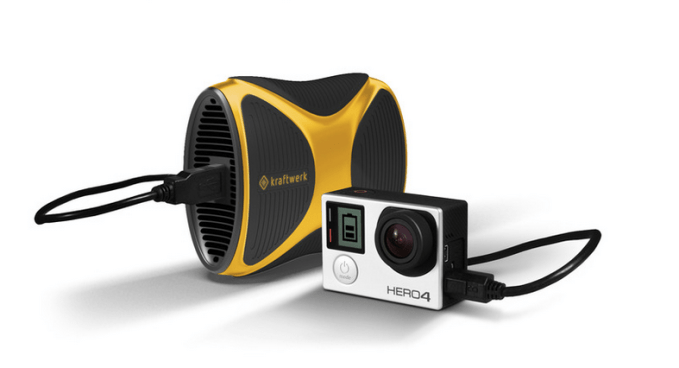
Keeping our electronic gadgets powered up while in the backcountry has become one of the biggest challenges for outdoor enthusiasts and adventure travelers today, with options like solar panels and external battery packs all being employed. But there are other options available too, including an intriguing new called the Kraftwerk that promises efficient power for smartphones, tablets, cameras, and other gadgets in a compact, lightweight form factor.
The Kraftwerk power station uses fuel cell technology to create clean power for all of your electronic devices. It can be completely powered up in a matter of seconds simply by injecting it with standard camping gas or lighter gas, which can be widely found in store across the globe. Once charged, the Kraftwerk reportedly can provide power to an iPhone 11 times before requiring more gas once again.
The Kraftwerk unit, which weighs just 200 grams (7 ounces) when full, converts the gas into power, which is then supplied to the electronic device via a built-in USB port capable of 2 watts of continuous power output, with a peak performance of up to 10 watts. The power station itself is just 3.94 inches (10 cm) long, 2.95 inches (7.5 cm) wide, and 1.18 (3 cm) thick, which means it is very small, and easy to carry with you anywhere. It has also been rated to operate at temperatures ranging from -15ºC to +55ºC (5ºF to 131ºF).
The team behind the Kraftwerk has been busy perfecting the device over the past few years, and it is now nearing production. In order to get the product built, they have launched a Kickstarter campaign that has already raised nearly $290,000 in just a few days. If they can hit their $500,000 goal, they hope to begin manufacturing the device late this year.
The video below will give you more information about the Kraftwerk, how it functions, and what it looks like. As a marketing piece, it's a bit on the corny side, but it does give you a good indication of what to expect when the product is released. To say it looks very promising for outdoor adventurers would be an understatement.
The Kraftwerk power station uses fuel cell technology to create clean power for all of your electronic devices. It can be completely powered up in a matter of seconds simply by injecting it with standard camping gas or lighter gas, which can be widely found in store across the globe. Once charged, the Kraftwerk reportedly can provide power to an iPhone 11 times before requiring more gas once again.
The Kraftwerk unit, which weighs just 200 grams (7 ounces) when full, converts the gas into power, which is then supplied to the electronic device via a built-in USB port capable of 2 watts of continuous power output, with a peak performance of up to 10 watts. The power station itself is just 3.94 inches (10 cm) long, 2.95 inches (7.5 cm) wide, and 1.18 (3 cm) thick, which means it is very small, and easy to carry with you anywhere. It has also been rated to operate at temperatures ranging from -15ºC to +55ºC (5ºF to 131ºF).
The team behind the Kraftwerk has been busy perfecting the device over the past few years, and it is now nearing production. In order to get the product built, they have launched a Kickstarter campaign that has already raised nearly $290,000 in just a few days. If they can hit their $500,000 goal, they hope to begin manufacturing the device late this year.
The video below will give you more information about the Kraftwerk, how it functions, and what it looks like. As a marketing piece, it's a bit on the corny side, but it does give you a good indication of what to expect when the product is released. To say it looks very promising for outdoor adventurers would be an understatement.
6 Ocak 2015 Salı
CheapOair and Qatar Airlines Are Giving Away a Pair of Bose Headphones Everyday in January
I don't typically post these kinds of giveaways on The Adventure Blog, but since I consider a good pair of headphones are an essential piece of travel gear, I thought it was worth sharing. Online airfare booking site CheapOair has joined forces with Qatar Airways to give away a pair of Bose wireless headphones every day during the month of January. These headphones typically cost $250, and offer amazing sound and great comfort in a lightweight package, which makes them a great option for travelers making a long flight.
Entry into the give away is simple. Just visit the Qatar Airways landing page at CheapOair, and click on the banner for the promotion. You'll be asked to login either via Facebook or by using your email address, either of which will earn you an entry into the contest. You can earn bonus entries by inviting friends to sign-up as well, or by joining the CheapOair mailing list. Each entry gives you an extra chance at scoring a pair of the Bose headphones.
For those not familiar with CheapOair, it is the fourth largest website for online booking of airfare – trailing behind just Expedia, Priceline, and Orbitz. The site is a great resource for travelers who are looking to save money when flying, and is one of my "go to" options when I'm looking to book a flight. Customers can shop for affordable flights online or through a mobile app, while also interacting with customer service reps through live chat or phone.
As mentioned above, I pretty much feel like a good pair of headphones are a must have for anyone who travels with any regularity. When I set off on a trip, I always take a pair with me as it helps to pass the time on the flight, and can provide a nice sense of escape from the noisy surroundings. My favorite pair are wireless as well, which eliminates the bulky cables that can easily get tangled when taking them in and out of your bag. Prior to owning these headphones I hadn't really thought that that would be much of an issue, but now I don't ever want to go back to standard headphones if I can help it.
This is your chance to score some great Bose headphones for yourself. Head on over to the Qatar Airways page and sign up now.
Entry into the give away is simple. Just visit the Qatar Airways landing page at CheapOair, and click on the banner for the promotion. You'll be asked to login either via Facebook or by using your email address, either of which will earn you an entry into the contest. You can earn bonus entries by inviting friends to sign-up as well, or by joining the CheapOair mailing list. Each entry gives you an extra chance at scoring a pair of the Bose headphones.
For those not familiar with CheapOair, it is the fourth largest website for online booking of airfare – trailing behind just Expedia, Priceline, and Orbitz. The site is a great resource for travelers who are looking to save money when flying, and is one of my "go to" options when I'm looking to book a flight. Customers can shop for affordable flights online or through a mobile app, while also interacting with customer service reps through live chat or phone.
As mentioned above, I pretty much feel like a good pair of headphones are a must have for anyone who travels with any regularity. When I set off on a trip, I always take a pair with me as it helps to pass the time on the flight, and can provide a nice sense of escape from the noisy surroundings. My favorite pair are wireless as well, which eliminates the bulky cables that can easily get tangled when taking them in and out of your bag. Prior to owning these headphones I hadn't really thought that that would be much of an issue, but now I don't ever want to go back to standard headphones if I can help it.
This is your chance to score some great Bose headphones for yourself. Head on over to the Qatar Airways page and sign up now.
Etiketler:
Contests,
General Adventure,
Technology,
Travel
Adventure Tech: New Action Cameras Give Adventurers Alternatives to GoPro
As mentioned yesterday, the Consumer Electronics Show is set to begin in Las Vegas, with hundreds of new gadgets and high tech devices being shown off to the public for the first time. In addition to wearable technology taking center stage, there are also a number of new action cameras on display, giving adventurous filmmakers some true alternatives to the GoPro cameras that seem to have become ubiquitous over the past few years.
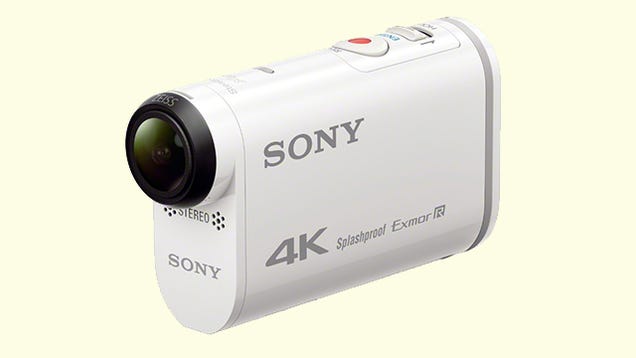
Yesterday, Sony unveiled the X100v, the next generation version of their popular Action Cam. This updated model is capable of shooting in 4K at 30 fps, as well as 1080p at 120 fps and 720p at an amazing 240 fps. That puts this camera on par with the new Hero 4 Black from GoPro. But Sony also claims their camera has improved image stabilization, a wider field of view, and improved noise reduction to cut back on the sound of the wind blowing through the microphone. The X100v will also have more manual controls over exposure and white balance as well, and the ability to automatically loop its recordings over the remaining free space on the microSD card in case you start to run low on storage. A new mobile app will also give users the ability to control multiple Sony Action Cams from their smartphone too.
The X100v will run $500 and will become available in February.
If you're looking for something a bit more affordable to record your outdoor adventures, than perhaps the new MHD 2.0 Action Camera from Monoprice will be more to your liking. It's specs are a bit more modest – capturing 1080p HD footage at 30 fps – but then again so is its price. This camera is just $89.99, and features a 170º ultra-wide field of view, a 2.5 hour battery life, and a 5 megapixel sensor. It is also waterproof down to 10 meters (33 feet) without the need for a separate enclosure, and is shock, dust, and freeze proof as well. It even ships with a handlebar mount for your bike so you can start capturing the action immediately.
The MHD 2.0 is available now.
Finally, check out the new Giroptic 360º Camera that promise to do something that neither GoPro nor Sony can match at the moment. This tiny device is capable of filming in a complete 360º circle – in HD resolutions no less – at the same time, ensuring that you never miss a shot. The camera is waterproof down to 10 meters as well and weighs just 6.3 ounces. It comes equipped with GPS for geotagging photos and video, a 185º fisheye lens, built-in Wi-Fi for streaming video and remote control, three microphones, image stabilization via a gyroscope, and a universal camera mount.
This device is capable of a number of very unique things, such as streaming realtime video via Wi-Fi, as well as capturing preset timelapse photos and shooting still shots in HDR. The camera can upload videos directly to YouTube and even Google StreetView. Its ability to shoot in 360º of rotation, as well a 300º up and down, makes it a great option for creating virtual reality films, and mobile apps are available for iOS and Android, with desktop software available for Mac and PC. There is even software that supports the Oculus Rift.
This camera will run $499 and will be available by spring.
As you can see, there are some interesting new options for budding filmmakers, with some powerful tools available at prices that would have seemed unattainable just a few years ago.
Yesterday, Sony unveiled the X100v, the next generation version of their popular Action Cam. This updated model is capable of shooting in 4K at 30 fps, as well as 1080p at 120 fps and 720p at an amazing 240 fps. That puts this camera on par with the new Hero 4 Black from GoPro. But Sony also claims their camera has improved image stabilization, a wider field of view, and improved noise reduction to cut back on the sound of the wind blowing through the microphone. The X100v will also have more manual controls over exposure and white balance as well, and the ability to automatically loop its recordings over the remaining free space on the microSD card in case you start to run low on storage. A new mobile app will also give users the ability to control multiple Sony Action Cams from their smartphone too.
The X100v will run $500 and will become available in February.
If you're looking for something a bit more affordable to record your outdoor adventures, than perhaps the new MHD 2.0 Action Camera from Monoprice will be more to your liking. It's specs are a bit more modest – capturing 1080p HD footage at 30 fps – but then again so is its price. This camera is just $89.99, and features a 170º ultra-wide field of view, a 2.5 hour battery life, and a 5 megapixel sensor. It is also waterproof down to 10 meters (33 feet) without the need for a separate enclosure, and is shock, dust, and freeze proof as well. It even ships with a handlebar mount for your bike so you can start capturing the action immediately.
The MHD 2.0 is available now.
Finally, check out the new Giroptic 360º Camera that promise to do something that neither GoPro nor Sony can match at the moment. This tiny device is capable of filming in a complete 360º circle – in HD resolutions no less – at the same time, ensuring that you never miss a shot. The camera is waterproof down to 10 meters as well and weighs just 6.3 ounces. It comes equipped with GPS for geotagging photos and video, a 185º fisheye lens, built-in Wi-Fi for streaming video and remote control, three microphones, image stabilization via a gyroscope, and a universal camera mount.
This device is capable of a number of very unique things, such as streaming realtime video via Wi-Fi, as well as capturing preset timelapse photos and shooting still shots in HDR. The camera can upload videos directly to YouTube and even Google StreetView. Its ability to shoot in 360º of rotation, as well a 300º up and down, makes it a great option for creating virtual reality films, and mobile apps are available for iOS and Android, with desktop software available for Mac and PC. There is even software that supports the Oculus Rift.
This camera will run $499 and will be available by spring.
As you can see, there are some interesting new options for budding filmmakers, with some powerful tools available at prices that would have seemed unattainable just a few years ago.
5 Ocak 2015 Pazartesi
Adventure Tech: Three New Fitness Watches From Garmin
This week, the annual Consumer Electronics Show will kick-off in Las Vegas, where hundreds of tech companies will show off their latest gadgets and devices. This year, the hottest trend seems to be wearables, with smartwatches, fitness trackers, and a variety of other gear taking center stage. Over the next few days, there will be hundreds of press releases sent out announcing all kinds of interesting and exciting innovations in technology, and not to be left out, Garmin has already announced three new fitness-oriented smart watches as well.
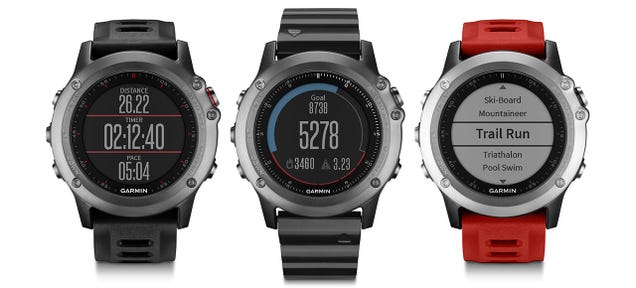
Perhaps the most exciting of these new products is the Fēnix 3, the latest update to one of Garmin's flagship products. The Fēnix has been an outstanding product for outdoor athletes and mountaineers for the past couple of years, but the latest version adds elements that have become common in fitness trackers such as the Fitbit. For instance, the Fēnix 3 now tracks your steps throughout the day, alerts you when it is time to be more active, and estimates the number of calories burned too. It can also track your VO2 max, recovery times post-workout, and can even count the strokes of swimmers too. The new model features faster GPS tracking, an improved display, and the ability to connect with friends to share workout and performance data. Garmin went back to the drawing board with the Fēnix 3 to give it a more refined look as well. As a result, the watch now resembles something you could wear all day long, as opposed to something designed specifically for working out. The Fēnix 3 will have an MSRP that starts at $499, and will begin shipping in the first quarter of 2015.
Garmin has also revealed a new GPS watch called the Epix which features 1.4-inch color touch screen that is capable of displaying maps used for navigation. The device comes with a world-wide base map, and has 8GB of storage to add more detailed maps for specific regions as well. It includes a digital compass, altimeter, barometer, and is water resistant down to 50 meters. It fill start at $549 when it begins shipping this quarter.
Finally, Garmin has also introduced the Vivoactive, a more scaled back an affordable fitness watch, that will meet the needs of those more focused on their workouts, and less on exploring the backcountry. It'll track pace, distance, and duration of your workouts, and comes with a color touch screen and a more subdued design. The Vivoactive will start at $249, and will be available soon as well.
This is just a taste of the new wearable devices that will be shown off at CES this week. Other companies are also rushing to get their latest gadgets out to the public as well, so expect to see a deluge of similar products. The difference is that Garmin has been making fitness and GPS watches for some time, and they bring a solid heritage to these new products as well.
Perhaps the most exciting of these new products is the Fēnix 3, the latest update to one of Garmin's flagship products. The Fēnix has been an outstanding product for outdoor athletes and mountaineers for the past couple of years, but the latest version adds elements that have become common in fitness trackers such as the Fitbit. For instance, the Fēnix 3 now tracks your steps throughout the day, alerts you when it is time to be more active, and estimates the number of calories burned too. It can also track your VO2 max, recovery times post-workout, and can even count the strokes of swimmers too. The new model features faster GPS tracking, an improved display, and the ability to connect with friends to share workout and performance data. Garmin went back to the drawing board with the Fēnix 3 to give it a more refined look as well. As a result, the watch now resembles something you could wear all day long, as opposed to something designed specifically for working out. The Fēnix 3 will have an MSRP that starts at $499, and will begin shipping in the first quarter of 2015.
Garmin has also revealed a new GPS watch called the Epix which features 1.4-inch color touch screen that is capable of displaying maps used for navigation. The device comes with a world-wide base map, and has 8GB of storage to add more detailed maps for specific regions as well. It includes a digital compass, altimeter, barometer, and is water resistant down to 50 meters. It fill start at $549 when it begins shipping this quarter.
Finally, Garmin has also introduced the Vivoactive, a more scaled back an affordable fitness watch, that will meet the needs of those more focused on their workouts, and less on exploring the backcountry. It'll track pace, distance, and duration of your workouts, and comes with a color touch screen and a more subdued design. The Vivoactive will start at $249, and will be available soon as well.
This is just a taste of the new wearable devices that will be shown off at CES this week. Other companies are also rushing to get their latest gadgets out to the public as well, so expect to see a deluge of similar products. The difference is that Garmin has been making fitness and GPS watches for some time, and they bring a solid heritage to these new products as well.
26 Aralık 2014 Cuma
Gear Closet: Jabra Sport Pulse Wireless Earbuds
Now that Christmas is over, it is time to start looking ahead to the New Year, a time when many people make resolutions to workout more and to get into better shape. Over the past few years, there have been a number of great new wearable technology products that have hit the market that can help us achieve those goals, including numerous activity monitors and smart apps. One of the more innovative of these products is the new Jabra Sport Pulse wireless earbuds, a device that combines a pair of Bluetooth earphones with a built-in heart rate monitor.
If you're a serious outdoor athlete, you have probably worn a heart rate monitor at some point. Traditionally, these somewhat bulky devices are strapped across the chest in order to keep track of your heart rate while on a workout. This can help track performance over time, and give you an indication of how efficient you are as runner, cyclist, or even swimmer. But wearing that chest strap can be uncomfortable and distracting for many athletes, which is why they aren't used as much as they could be.
The Jabra Sport Pulse does away with the bulky chest strap altogether, and puts the heart rate monitor into the headphones themselves. These earbuds are a bit larger than most others you'll find on the market, but once you get them properly fitted (using the included EarGels and EarWings), and have used them a time or two, you'll soon forget that you are even wearing them at all.
The Sport Pulse earbuds pair wirelessly with a smartphone or Bluetooth enabled mp3 player, allowing the wearer to listen to their favorite music or podcasts while they workout without having an annoying cable running from their ears to their device. This same connection shares heart rate information with the Jabra Sport Life app (available for iPhone and Android), which tracks progress over time, and suggests workouts for improving performance as well. With the app installed on your smartphone, you can check historical data for your workouts, and see how your fitness levels change.
Throughout your workout, the Sport Pulse earbuds will also provide audio feedback to let you know how well you're doing. At ten minute intervals, a voice inside your ear will let you know how far you've run, how fast you're moving, what your current heart rate is, and what "fitness zone" you are operating in. Those zones can include "fat burning," "cardio training," and "intense cardio training" – amongst others – depending on how hard you are working out at any given time. This audio updates make it easier to know how well you are performing on any given workout, and can motivate you to go a bit harder and faster when you feel the need.
As someone who runs nearly every day, it is incredibly liberating to not have to deal with any kind of cable running from my earbuds to my music player. This may seem like an insignificant thing, but if you've ever found that cable to be annoying while you run or ride, you'll understand how nice it can be to do away with it altogether. Throw in the ability to do away with the heart rate monitor strapped to your chest, and you start to see how convenient these headphones truly are. If you routinely run with a heart rate monitor now, you owe it to yourself to try these earbuds out. You may just discover how nice it can be to workout with a single wearable device that can function as your earphones too.
Jabra has included a number of other nice features on the Sport Pulse earbuds as well. The addition of an in-line remote comes in very handy for starting and stopping your music, while another button on the left earbud allows you to begin, end, and pause your workout too. An integrated microphone lets the user take phone calls while wearing the headphones, and it is even possible to interact with Siri on the iPhone (and Google Now on Android) while working out too. While I generally try to run to get away from phone calls and text messages for a little while, it is nice to have the ability to take them if the need arises.
These earbuds have also been built with the outdoor athlete in mind. They are surprisingly durable, and have been designed to resist rain, dust, and the shock that comes with being dropped. Jabra knew that they had to make the Sport Pulse earbuds tough and dependable, and it shows in how well they are constructed.
It is hard not to be impressed with all of the technology that is crammed inside the Sport Pulse headphones, but they do come with a few flaws. For instance, I was less than impressed with the sound quality that they delivered. Jabra has a great reputation for delivering very good sound, but the Sport Pulse sound just "okay." They aren't particularly bad, but there is also nothing to get all that excited about either. I would have liked to have heard a little more punch – for lack of a better word – out of my music, but instead the sound quality left me feeling a bit detached from what I was listening to. That said, the music and vocals sounded clear, there just wasn't anything exciting about it in any way.
Since these are wireless earbuds with a heart rate monitor attached, they also have a built-in rechargeable battery. That battery is good for about four hours of life before it needs to be recharged. That means you'll have to remember to plug in and charge yet another device if you want to use these regularly. For me, I can get about three normal workouts from these earbuds before I need to juice them up again. Optimally, I'd love to see the battery life at least doubled, but considering how small these headphones are there will need to be some significant breakthroughs in battery technology to make that happen anytime soon. For now, you'll have to recharge these headphones often, and keep your standard pair of wired earbuds close by just in case. Fortunately, the Sport Life app provides information about the current level of charge on the batteries, which is a good reminder of when it is time to plug them in.
Jabra sells the Sport Pulse wireless earbuds for $199.95, which sounds a bit expensive if you're just comparing them to other Bluetooth earphones. But when you factor in the built-in heart rate monitor, they actually become quite a bargain. The fact that you can do away with entangling wires running to your audio player, and get rid of the bulky chest strap at the same time, makes this product completely worth the money for many outdoor athletes. If you set your expectations accordingly for the sound quality that these headphones produce, and make it part of your routine to recharge them regularly, you'll find that Jabra has created an excellent product for those who are serious about their fitness.
If you're a serious outdoor athlete, you have probably worn a heart rate monitor at some point. Traditionally, these somewhat bulky devices are strapped across the chest in order to keep track of your heart rate while on a workout. This can help track performance over time, and give you an indication of how efficient you are as runner, cyclist, or even swimmer. But wearing that chest strap can be uncomfortable and distracting for many athletes, which is why they aren't used as much as they could be.
The Jabra Sport Pulse does away with the bulky chest strap altogether, and puts the heart rate monitor into the headphones themselves. These earbuds are a bit larger than most others you'll find on the market, but once you get them properly fitted (using the included EarGels and EarWings), and have used them a time or two, you'll soon forget that you are even wearing them at all.
The Sport Pulse earbuds pair wirelessly with a smartphone or Bluetooth enabled mp3 player, allowing the wearer to listen to their favorite music or podcasts while they workout without having an annoying cable running from their ears to their device. This same connection shares heart rate information with the Jabra Sport Life app (available for iPhone and Android), which tracks progress over time, and suggests workouts for improving performance as well. With the app installed on your smartphone, you can check historical data for your workouts, and see how your fitness levels change.
Throughout your workout, the Sport Pulse earbuds will also provide audio feedback to let you know how well you're doing. At ten minute intervals, a voice inside your ear will let you know how far you've run, how fast you're moving, what your current heart rate is, and what "fitness zone" you are operating in. Those zones can include "fat burning," "cardio training," and "intense cardio training" – amongst others – depending on how hard you are working out at any given time. This audio updates make it easier to know how well you are performing on any given workout, and can motivate you to go a bit harder and faster when you feel the need.
As someone who runs nearly every day, it is incredibly liberating to not have to deal with any kind of cable running from my earbuds to my music player. This may seem like an insignificant thing, but if you've ever found that cable to be annoying while you run or ride, you'll understand how nice it can be to do away with it altogether. Throw in the ability to do away with the heart rate monitor strapped to your chest, and you start to see how convenient these headphones truly are. If you routinely run with a heart rate monitor now, you owe it to yourself to try these earbuds out. You may just discover how nice it can be to workout with a single wearable device that can function as your earphones too.
Jabra has included a number of other nice features on the Sport Pulse earbuds as well. The addition of an in-line remote comes in very handy for starting and stopping your music, while another button on the left earbud allows you to begin, end, and pause your workout too. An integrated microphone lets the user take phone calls while wearing the headphones, and it is even possible to interact with Siri on the iPhone (and Google Now on Android) while working out too. While I generally try to run to get away from phone calls and text messages for a little while, it is nice to have the ability to take them if the need arises.
These earbuds have also been built with the outdoor athlete in mind. They are surprisingly durable, and have been designed to resist rain, dust, and the shock that comes with being dropped. Jabra knew that they had to make the Sport Pulse earbuds tough and dependable, and it shows in how well they are constructed.
It is hard not to be impressed with all of the technology that is crammed inside the Sport Pulse headphones, but they do come with a few flaws. For instance, I was less than impressed with the sound quality that they delivered. Jabra has a great reputation for delivering very good sound, but the Sport Pulse sound just "okay." They aren't particularly bad, but there is also nothing to get all that excited about either. I would have liked to have heard a little more punch – for lack of a better word – out of my music, but instead the sound quality left me feeling a bit detached from what I was listening to. That said, the music and vocals sounded clear, there just wasn't anything exciting about it in any way.
Since these are wireless earbuds with a heart rate monitor attached, they also have a built-in rechargeable battery. That battery is good for about four hours of life before it needs to be recharged. That means you'll have to remember to plug in and charge yet another device if you want to use these regularly. For me, I can get about three normal workouts from these earbuds before I need to juice them up again. Optimally, I'd love to see the battery life at least doubled, but considering how small these headphones are there will need to be some significant breakthroughs in battery technology to make that happen anytime soon. For now, you'll have to recharge these headphones often, and keep your standard pair of wired earbuds close by just in case. Fortunately, the Sport Life app provides information about the current level of charge on the batteries, which is a good reminder of when it is time to plug them in.
Jabra sells the Sport Pulse wireless earbuds for $199.95, which sounds a bit expensive if you're just comparing them to other Bluetooth earphones. But when you factor in the built-in heart rate monitor, they actually become quite a bargain. The fact that you can do away with entangling wires running to your audio player, and get rid of the bulky chest strap at the same time, makes this product completely worth the money for many outdoor athletes. If you set your expectations accordingly for the sound quality that these headphones produce, and make it part of your routine to recharge them regularly, you'll find that Jabra has created an excellent product for those who are serious about their fitness.
Etiketler:
Cycling,
Endurance Sports,
Fitness,
Gear,
Running,
Technology
17 Aralık 2014 Çarşamba
Gear Closet: Armpocket Flash Smartphone Armband for Runners
Still looking for a last minute gift for the runner in your life? Than you may want to consider the new Flash armband from Armpocket, a protective case designed for larger smartphones that comes with a couple of nice extra features that are sure to be appreciated both by you, and the person who uses the armband.
As a daily runner, I like to listen to music and podcasts throughout my workouts. That means taking my smartphone or mp3 player with me when I hit the road. The problem is, I recently purchased a new iPhone 6, which is much larger than its predecessors. Finding an armband case for the phone has been a bit of a struggle, as there aren't many designed specifically for Apple's new devices. I know that there will soon be plenty of options to choose from as more companies release new options, but at the moment there are few good choices for the iPhone 6 or it's even bigger sibling, the 6 Plus.
The Armpocket Flash was built with larger smartphones in mind however, and it has absolutely no problems accommodating the new iPhone, even if it wasn't made specifically for that device. In fact, there is so much room inside that it actually doesn't fit my iPhone quite as snugly as I'd like. For the most part, this isn't a big issue, but trying to use the phone through the touch-sensitive protective covering can sometimes be an exercise in futility. Since the touch screen window doesn't fit tightly agains the phone, it doesn't register taps and swipes as cleanly as I'd like. On more than one occasion, I've actually had to take the phone out of the case to get it to do what I wanted. That defeats the purpose of using a case in the first place, and was a source of frustration while testing this product. My advice is to set up your music and fitness apps ahead of time, and slide your phone back into the case before you get moving.
That one annoyance aside, I actually found that I really like the Flash. It is obviously a very large armband, but considering the size of popular smartphones these days, it has to be. Despite its size however, the Flash fits very comfortably on my arm, and stays locked in place even on more vigorous runs. While you will be well aware of the large armband you're wearing, it really doesn't impact your workout in any way.
As you would expect from a product like this one, it features a nice audio access port for headphones which can accommodate nearly any device that you put inside. The armband is also made out of sweat and water resistant materials that ensure your device stays well protected from moisture at all times as well. Interior compartments allow you to carry a key, ID, and other small items with you when you hit the trail, and the memory foam cushioning molds the case to your arm quite nicely.
Of course, a lot of these features are just what you'd expect out of a good armband built for frequent runners. But the Flash has another feature that helps to set it apart from the competition, while also providing a bit of extra safety if you find yourself out after dark. Armpocket has integrated a set of red LED lights into the side of the case which aid in visibility out on the road. These lights have three modes that allow them to stay on constantly, or blink at two different speeds. Blinking red lights on a dark street will certainly catch the attention of drivers, helping to make them more aware that you are passing by, something that I'm sure we can all appreciate.
The addition of the LED lights to the Flash means that this product is not machine washable. If you get as sweaty as I do when running in the warmer months, that could be a potential problem. Immersing the armband in water will probably kill the circuits that operate the light, so you'll have to be careful when cleaning this product by hand.
The Armpocket Flash feels incredibly solid and durable in your hand, and it seems like a product that will last for a long time. I've been using it for several weeks, and it it still looks like it came right out of the package. It also does a great job of protecting its expensive cargo too, as my iPhone 6 has always come out of the case clean and dry, without an ounce of moisture seeping into the interior.
With a price tag of $49.95, the Flash is competitively priced with similar product, while also incorporating the LED lighting system. This makes it a very good product for the avid runner who will appreciate everything the case brings to the table. If you're in the market for an armband running case designed for larger smartphone, this is a very good option. While I wish that it fit my iPhone 6 a bit more snugly, I truly appreciate the extra storage and the LED lights that provide extra visibility on evening runs. I think the runner on your holiday shopping list will agree.
As a daily runner, I like to listen to music and podcasts throughout my workouts. That means taking my smartphone or mp3 player with me when I hit the road. The problem is, I recently purchased a new iPhone 6, which is much larger than its predecessors. Finding an armband case for the phone has been a bit of a struggle, as there aren't many designed specifically for Apple's new devices. I know that there will soon be plenty of options to choose from as more companies release new options, but at the moment there are few good choices for the iPhone 6 or it's even bigger sibling, the 6 Plus.
The Armpocket Flash was built with larger smartphones in mind however, and it has absolutely no problems accommodating the new iPhone, even if it wasn't made specifically for that device. In fact, there is so much room inside that it actually doesn't fit my iPhone quite as snugly as I'd like. For the most part, this isn't a big issue, but trying to use the phone through the touch-sensitive protective covering can sometimes be an exercise in futility. Since the touch screen window doesn't fit tightly agains the phone, it doesn't register taps and swipes as cleanly as I'd like. On more than one occasion, I've actually had to take the phone out of the case to get it to do what I wanted. That defeats the purpose of using a case in the first place, and was a source of frustration while testing this product. My advice is to set up your music and fitness apps ahead of time, and slide your phone back into the case before you get moving.
That one annoyance aside, I actually found that I really like the Flash. It is obviously a very large armband, but considering the size of popular smartphones these days, it has to be. Despite its size however, the Flash fits very comfortably on my arm, and stays locked in place even on more vigorous runs. While you will be well aware of the large armband you're wearing, it really doesn't impact your workout in any way.
As you would expect from a product like this one, it features a nice audio access port for headphones which can accommodate nearly any device that you put inside. The armband is also made out of sweat and water resistant materials that ensure your device stays well protected from moisture at all times as well. Interior compartments allow you to carry a key, ID, and other small items with you when you hit the trail, and the memory foam cushioning molds the case to your arm quite nicely.
Of course, a lot of these features are just what you'd expect out of a good armband built for frequent runners. But the Flash has another feature that helps to set it apart from the competition, while also providing a bit of extra safety if you find yourself out after dark. Armpocket has integrated a set of red LED lights into the side of the case which aid in visibility out on the road. These lights have three modes that allow them to stay on constantly, or blink at two different speeds. Blinking red lights on a dark street will certainly catch the attention of drivers, helping to make them more aware that you are passing by, something that I'm sure we can all appreciate.
The addition of the LED lights to the Flash means that this product is not machine washable. If you get as sweaty as I do when running in the warmer months, that could be a potential problem. Immersing the armband in water will probably kill the circuits that operate the light, so you'll have to be careful when cleaning this product by hand.
The Armpocket Flash feels incredibly solid and durable in your hand, and it seems like a product that will last for a long time. I've been using it for several weeks, and it it still looks like it came right out of the package. It also does a great job of protecting its expensive cargo too, as my iPhone 6 has always come out of the case clean and dry, without an ounce of moisture seeping into the interior.
With a price tag of $49.95, the Flash is competitively priced with similar product, while also incorporating the LED lighting system. This makes it a very good product for the avid runner who will appreciate everything the case brings to the table. If you're in the market for an armband running case designed for larger smartphone, this is a very good option. While I wish that it fit my iPhone 6 a bit more snugly, I truly appreciate the extra storage and the LED lights that provide extra visibility on evening runs. I think the runner on your holiday shopping list will agree.
11 Aralık 2014 Perşembe
ExWeb Mountaineering Round Table Part 2: Cameras, Video, and Staying Powered Up
Explorers Web has posted the second part of their technology round table, in which they discuss how some of the top mountaineers and explorers in the world stay connected while on their expeditions, while also documenting their adventures for sponsors and social media followers back home. If you missed Part 1 yesterday, and have an interest in how expedition technology works, I'd urge you to check it out here.
The panel consists of some big names, including Italian climber Simone Moro, and American Alan Arnette. Wingsuit pilot Joby Ogwyn is also part of the discussion, as is mountaineer and polar explorer Ryan Waters, amongst others. The panel was moderated by Tom Sjogren from ExWeb, who has climbed many big peaks, and skied to the North and South Pole.
Yesterday, the discussion mainly focused on satellite communications and staying in touch while in remote corners of the globe. The various members of the panel shared their strategies for which devices worked best for them, and what they preferred to carry when they go into the field. Today, the discussion shifts to camera equipment, with most of the panelists saying that they now take action cameras with them on their journeys, including a GoPro or the Garmin Virb. One even recommended the new Sony AX100, which is small, lightweight, and shoots in 4K.
Next, the panel moved on to how they stay powered up while at higher altitude and in base camp. Some, like Simone, carry USB battery packs to keep their gear functioning properly when high a mountain, while others turn to solar solutions from the likes of GoalZero and PowerTraveller. Back in BC, gasoline powered generators are still the best source of power, especially as more people travel with electronic gear, including guides and Sherpas.
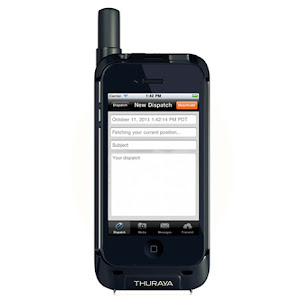
Finally, the group talked about how they stay connected for high speed Internet while on their adventures. Most said they used the BGAN or Thuraya IP. These lightweight, yet powerful, solutions allow them to post dispatches, share photos and video, and stay in touch with friend and family. In this modern age, many sponsors want to see their athletes sharing the experience from the field, and these devices are crucial to that process.
The panel wrapped things up by discussing other tech gear that they day with them on their expeditions, including such items as foot warming systems, smartphones, and oxygen saturation meter. Some of the gear they touch on in this last section extends to everything from having proper tents, to their favorite climbing harnesses.
All in all, this two-part series from ExWeb has proven highly educational for anyone who wants to learn about the technology that keeps expeditions moving forward. I found it to be a good read, even for someone who stays on top of this kind of information. If you're planning a trip of your own, and want to be able to stay in touch with those back home, I'd suggest reading both part.
The panel consists of some big names, including Italian climber Simone Moro, and American Alan Arnette. Wingsuit pilot Joby Ogwyn is also part of the discussion, as is mountaineer and polar explorer Ryan Waters, amongst others. The panel was moderated by Tom Sjogren from ExWeb, who has climbed many big peaks, and skied to the North and South Pole.
Yesterday, the discussion mainly focused on satellite communications and staying in touch while in remote corners of the globe. The various members of the panel shared their strategies for which devices worked best for them, and what they preferred to carry when they go into the field. Today, the discussion shifts to camera equipment, with most of the panelists saying that they now take action cameras with them on their journeys, including a GoPro or the Garmin Virb. One even recommended the new Sony AX100, which is small, lightweight, and shoots in 4K.
Next, the panel moved on to how they stay powered up while at higher altitude and in base camp. Some, like Simone, carry USB battery packs to keep their gear functioning properly when high a mountain, while others turn to solar solutions from the likes of GoalZero and PowerTraveller. Back in BC, gasoline powered generators are still the best source of power, especially as more people travel with electronic gear, including guides and Sherpas.
Finally, the group talked about how they stay connected for high speed Internet while on their adventures. Most said they used the BGAN or Thuraya IP. These lightweight, yet powerful, solutions allow them to post dispatches, share photos and video, and stay in touch with friend and family. In this modern age, many sponsors want to see their athletes sharing the experience from the field, and these devices are crucial to that process.
The panel wrapped things up by discussing other tech gear that they day with them on their expeditions, including such items as foot warming systems, smartphones, and oxygen saturation meter. Some of the gear they touch on in this last section extends to everything from having proper tents, to their favorite climbing harnesses.
All in all, this two-part series from ExWeb has proven highly educational for anyone who wants to learn about the technology that keeps expeditions moving forward. I found it to be a good read, even for someone who stays on top of this kind of information. If you're planning a trip of your own, and want to be able to stay in touch with those back home, I'd suggest reading both part.
10 Aralık 2014 Çarşamba
Gear Closet: Kenu Highline for iPhone 6
Awhile back I posted a review of the Kenu Highline, a product that was designed to bring a measure of safety and security to your iPhone when used in the outdoors. The concept behind the Highline is that it acts as a safety line of sorts for your smartphone, keeping it from being dropped while carrying it with you on your outdoor adventures. I found it to be an amazingly simple product that served a good purpose, especially as more and more of us carry our mobile devices with us no matter where we go. At the time of my review I was using the Highline with my old iPhone 4S and found it provided a nice extra level of extra security. But since then, I've moved on to the new iPhone 6, which my version of the Highline wasn't compatible with. Fortunately, Kenu has released an updated version of the product, bringing some nice refinements along with it.
The original version of this product that I reviewed months back was simply a leash made of Kevlar and wrapped in plastic that attached to the 30-pin charging port on the base of the iPhone. The other end of the leash was wrapped around a connecting point, such as a carabiner, zipper, backpack loop, or something similar. This allowed you to use the device freely, without fear of actually dropping it. Should the iPhone slip out of your hand, the leash would catch it before it fell more than a foot or so.
The new version of the Highline uses the same basic principle, but now comes with a more secure attachment that plugs into the iPhone 6's smaller Lightning port. Kenu calls this the Lightning Lock, and when it is plugged in, it certainly feels plenty safe and secure. The elastic leash still has the same Kevlar core, which is tough and resilient, while still allowing the user to move their phone in any direction, making it easy to snap photos, send texts, check social networks, and so on, without worry that you'll accidentally drop the device.
As a measure of extra security, the iPhone 6 version of the Highline also comes with polycarbonate case to help protect the phone even further. This thin, lightweight shield easily slips on and off the iPhone, and doesn't add any undue bulk to Apple's sleek and beautiful gadget. As someone who doesn't like to wrap his iPhone in a case of any kind, I found this to be one of the best options I've come across for a protective case that doesn't make the phone feel overly large. It also provides extra grip not only for the Lightning Lock, but for your hand too. The larger iPhone 6 can be tough to hang on to at times, so addition of the case will be a welcome one for many.
The Highline costs just $29.95 for both the leash and the polycarbonate case. Considering the cost of a good case alone is often in that price range, the addition of the safety loop seems like a real bargain. The Highline for iPhone 6 has just started shipping, and would make a great holiday gift for the iPhone user in your life who also happens to be an outdoor enthusiast as well. Kenu is also continuing to sell previous versions of the product for both the iPhone 4 and 5 too.
The original version of this product that I reviewed months back was simply a leash made of Kevlar and wrapped in plastic that attached to the 30-pin charging port on the base of the iPhone. The other end of the leash was wrapped around a connecting point, such as a carabiner, zipper, backpack loop, or something similar. This allowed you to use the device freely, without fear of actually dropping it. Should the iPhone slip out of your hand, the leash would catch it before it fell more than a foot or so.
The new version of the Highline uses the same basic principle, but now comes with a more secure attachment that plugs into the iPhone 6's smaller Lightning port. Kenu calls this the Lightning Lock, and when it is plugged in, it certainly feels plenty safe and secure. The elastic leash still has the same Kevlar core, which is tough and resilient, while still allowing the user to move their phone in any direction, making it easy to snap photos, send texts, check social networks, and so on, without worry that you'll accidentally drop the device.
As a measure of extra security, the iPhone 6 version of the Highline also comes with polycarbonate case to help protect the phone even further. This thin, lightweight shield easily slips on and off the iPhone, and doesn't add any undue bulk to Apple's sleek and beautiful gadget. As someone who doesn't like to wrap his iPhone in a case of any kind, I found this to be one of the best options I've come across for a protective case that doesn't make the phone feel overly large. It also provides extra grip not only for the Lightning Lock, but for your hand too. The larger iPhone 6 can be tough to hang on to at times, so addition of the case will be a welcome one for many.
The Highline costs just $29.95 for both the leash and the polycarbonate case. Considering the cost of a good case alone is often in that price range, the addition of the safety loop seems like a real bargain. The Highline for iPhone 6 has just started shipping, and would make a great holiday gift for the iPhone user in your life who also happens to be an outdoor enthusiast as well. Kenu is also continuing to sell previous versions of the product for both the iPhone 4 and 5 too.
ExWeb Hosts Mountaineering Tech Round Table
ExWeb has posted a fascinating interview with some true luminaries from the world of mountaineering. Recently, the group got together in discuss the most crucial gear that they carry with them when they head out on an expedition, with the some really interesting insights into the technology that allows them to function in the Himalaya and beyond. What they shared will no doubt be of interest to other climbers, but also those of us back home who follow their exploits.
The panel consisted of Italian mountaineer Simone Moro, climbing documentary cameraman Elia Saikaly from Canada, Canadian mountaineer Louis Rousseau, wingsuit pilot Joby Ogwyn, American climber Alan Arnette, who runs a popular climbing blog often referenced here, climber and polar explorer Ryan Waters, Caroline Blaikie from Adventure Consultants, and Everest Base Camp manager Tim Robertson. The panel was moderated by Tom Sjogren from Explorers Web, who has also summited Everest, and skied to both the North and South Pole.
As you can see, this panel was filled with people who truly know their business. The group featured top climbers, explorers, extreme outdoor athletes, and guides. Collectively, and individually, this group has a great deal of experience in the Himalaya, the Karakoram, and a host of other mountain ranges across the world.
As mentioned, much of the discussion on the panel was about the technology that these adventurers take with them when they head into the mountains. Now days, in addition to satellite phones and GPS devices, mountaineers also carry laptops, tablets, smartphones, and a variety of other gadgets on their expeditions. Some of the discussion involved the technology that Ogwyn had planned to use to broadcast his wingsuit jump from the summit of Everest on live television, as well as touching on the tragedy that occurred on the South Side of the mountain in Nepal this past spring. Saikaly was one of the cameramen on that expedition, and was on the mountain when the avalanche claimed the lives of the Sherpas shuttling gear up to Camp 1. That topic also broached the topic of the use of avalanche airbags on the mountains.
From there, the discussion moves on to satellite phones, and the strategies for their use, as well as the implementation of satellite trackers such as the DeLorme InReach. Some of the panelists talked about their experience with the new Thuraya Satsleeve as well, as well as the Iridium Go.
There is a lot of information here for those thinking about a big expedition of their own and looking for some advice. Each of these panel members has years of experience in the field, and they have all worked out good strategies for the use of this type of gear. If you've ever wondered how they operate while in the field, this will certainly provide some solid insights.
Stay tuned for Part 2 of this panel, when the same group will discuss their use of video on expeditions as well.
The panel consisted of Italian mountaineer Simone Moro, climbing documentary cameraman Elia Saikaly from Canada, Canadian mountaineer Louis Rousseau, wingsuit pilot Joby Ogwyn, American climber Alan Arnette, who runs a popular climbing blog often referenced here, climber and polar explorer Ryan Waters, Caroline Blaikie from Adventure Consultants, and Everest Base Camp manager Tim Robertson. The panel was moderated by Tom Sjogren from Explorers Web, who has also summited Everest, and skied to both the North and South Pole.
As you can see, this panel was filled with people who truly know their business. The group featured top climbers, explorers, extreme outdoor athletes, and guides. Collectively, and individually, this group has a great deal of experience in the Himalaya, the Karakoram, and a host of other mountain ranges across the world.
As mentioned, much of the discussion on the panel was about the technology that these adventurers take with them when they head into the mountains. Now days, in addition to satellite phones and GPS devices, mountaineers also carry laptops, tablets, smartphones, and a variety of other gadgets on their expeditions. Some of the discussion involved the technology that Ogwyn had planned to use to broadcast his wingsuit jump from the summit of Everest on live television, as well as touching on the tragedy that occurred on the South Side of the mountain in Nepal this past spring. Saikaly was one of the cameramen on that expedition, and was on the mountain when the avalanche claimed the lives of the Sherpas shuttling gear up to Camp 1. That topic also broached the topic of the use of avalanche airbags on the mountains.
From there, the discussion moves on to satellite phones, and the strategies for their use, as well as the implementation of satellite trackers such as the DeLorme InReach. Some of the panelists talked about their experience with the new Thuraya Satsleeve as well, as well as the Iridium Go.
There is a lot of information here for those thinking about a big expedition of their own and looking for some advice. Each of these panel members has years of experience in the field, and they have all worked out good strategies for the use of this type of gear. If you've ever wondered how they operate while in the field, this will certainly provide some solid insights.
Stay tuned for Part 2 of this panel, when the same group will discuss their use of video on expeditions as well.
5 Aralık 2014 Cuma
Adventure Tech: Sonim XP7 Ruggedized Smartphone
Adventure travelers and outdoor enthusiasts looking for the ultimate smartphone to take with them on their excursions may want to check out the new Sonim XP7, a device built to withstand just about any type of punishment, and keep coming back for more. The phone is currently seeking crowdfunding through an Indegogo campaign, but is quickly closing in on its goal. As of this writing, it has already raised nearly $130,000 (of its $150,000 goal), with 34 more days left to go. In short, that means it is already a success, and should begin shipping in early 2015.
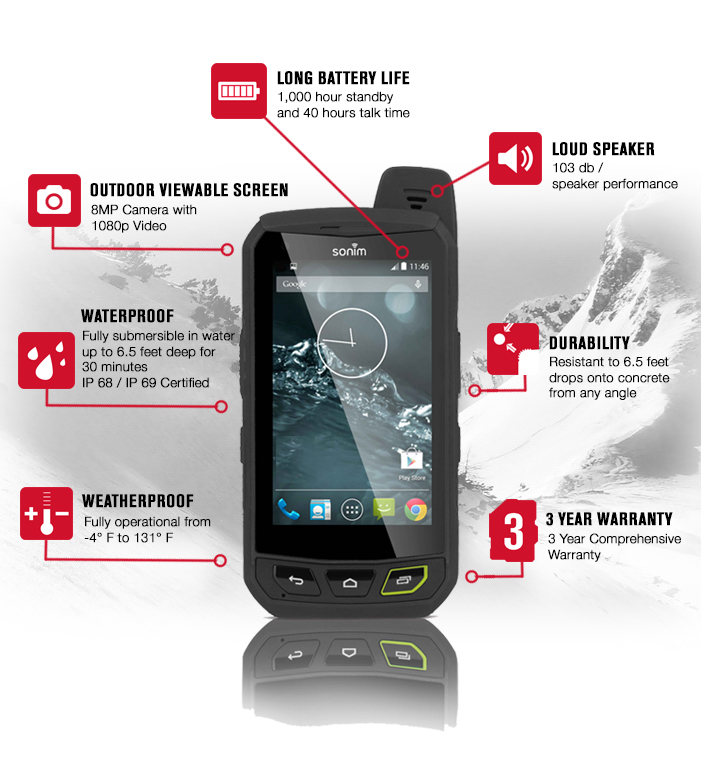
So, what exactly does the Sonim XP7 bring to the table? Well for starters, it is designed to work in extreme environments. The manufacturer says that it is weatherproof down to -4ºF/-20ºC and can operate in heat in excess of 131ºF/55ºC. It is also waterproof to an IP 68/69 certification, which means it can withstand being submerged in 6.5 feet (2 meters) of water for up to 30 minutes. The XP7's ruggedized outer shell is also capable of withstanding a drop onto concrete from a height of 6.5 feet (2 meters) as well. If that wasn't enough to convince you the device is tough, Sonim is also backing up the product with a 3-year warranty.
In terms of being a smartphone, the XP7 runs the Android operating system (Android 4.4 KitKat), and comes equipped with a 4800 mAh battery that is said to provide 1000 hours of stand-by time, and up to 40 hours of talk time. If those numbers are accurate, that is amazing battery life for a smartphone, and particularly one that runs Android. The phone also has an 8MP camera and is capable of shooting 1080p video, even underwater. The phone runs on GSM networks, and has LTE capabilities for high speed mobile data as well.
There are multiple levels for contributing to the Indegogo campaign that is currently underway, but probably the one that will be most interesting to consumers is the $579 contributor point, which not only gets you the Sonim XP7 phone, but some other nice items as well. Anyone who helps fund the device at that level, also receives a Sonim Bluetooth headset, a micro-USB adapter, a $200 trade-in credit towards a new Sonim phone in 2016, and an "explorer virtual goodie bag" which contains one month of free voice and data service on Ultra Mobile, a coupon for $100 off an Oru Kayak, and a coupon for 20% off at Fisher Boards.
If you're in the market for a new smartphone, and you're having a hard time finding anything that can survive your active lifestyle, than perhaps the Sonim XP7 is the answer. It is still a couple of months from being released, but if you act now, you can get it at a great price before launch. Find out more here.
So, what exactly does the Sonim XP7 bring to the table? Well for starters, it is designed to work in extreme environments. The manufacturer says that it is weatherproof down to -4ºF/-20ºC and can operate in heat in excess of 131ºF/55ºC. It is also waterproof to an IP 68/69 certification, which means it can withstand being submerged in 6.5 feet (2 meters) of water for up to 30 minutes. The XP7's ruggedized outer shell is also capable of withstanding a drop onto concrete from a height of 6.5 feet (2 meters) as well. If that wasn't enough to convince you the device is tough, Sonim is also backing up the product with a 3-year warranty.
In terms of being a smartphone, the XP7 runs the Android operating system (Android 4.4 KitKat), and comes equipped with a 4800 mAh battery that is said to provide 1000 hours of stand-by time, and up to 40 hours of talk time. If those numbers are accurate, that is amazing battery life for a smartphone, and particularly one that runs Android. The phone also has an 8MP camera and is capable of shooting 1080p video, even underwater. The phone runs on GSM networks, and has LTE capabilities for high speed mobile data as well.
There are multiple levels for contributing to the Indegogo campaign that is currently underway, but probably the one that will be most interesting to consumers is the $579 contributor point, which not only gets you the Sonim XP7 phone, but some other nice items as well. Anyone who helps fund the device at that level, also receives a Sonim Bluetooth headset, a micro-USB adapter, a $200 trade-in credit towards a new Sonim phone in 2016, and an "explorer virtual goodie bag" which contains one month of free voice and data service on Ultra Mobile, a coupon for $100 off an Oru Kayak, and a coupon for 20% off at Fisher Boards.
If you're in the market for a new smartphone, and you're having a hard time finding anything that can survive your active lifestyle, than perhaps the Sonim XP7 is the answer. It is still a couple of months from being released, but if you act now, you can get it at a great price before launch. Find out more here.
24 Kasım 2014 Pazartesi
Video: Bright Angel Trail to Plateau Point in the Grand Canyon
Here's a beautiful short video that is even more impressive when you realize the entire thing was shot using just an iPhone 6 Plus. It features some amazing footage from the Grand Canyon, where filmmaker Dan Carter hiked Bright Angel Trail to Plateau Point, capturing video as he went. It is incredible to think that we now have such great cameras, and video editing tools, right in our pockets. Filmmaking has never been so accessible as it is today, and as a result, we're getting some very cool videos. Enjoy!
Grand Canyon Bright Angel Trail to Plateau Point (iPhone 6 Plus) from Dan Carter on Vimeo.
14 Ekim 2014 Salı
Adventure Tech: New Rugged, Waterproof Cases for iPhone 6
If you're one of the millions of people – like me – who rushed out to get the latest iPhone from Apple, you may be wondering which case is the best option for when you want to take your shiny new device with you on an adventure. While there are plenty of cases, and other accessories, available for the iPhone 6 already, there aren't many choices for those who need a rugged, waterproof solution to protect their smartphone. Fortunately, help is on the way, as the brilliant minds over at LUNATIK have announced an Indiegogo campaign for two new cases that will soon shroud our iPhone's in protective armor.
The two new cases aren't expected to ship until the first quarter of 2015, in part because of some revised requirements from Apple. But when they do ship, the new Taktik 360 and Aquatik promise to deliver an unprecedented level of protection. Both models are designed to be airtight, keeping all of the ports and membranes on the iPhone completely safe. The Taktik and Aquatik are IP68 certified, which means they can be submersed in two meters of water for an hour, and still survive. The cases are sealed up so tight, they even offer excellent protection from dust and sand, allowing you to carry your iPhone into just about any environment. And of course, they also come with fantastic drop protection, thanks to LUNATIK's well known rugged designs. This helps to keep your phone completely safe from harm, even when dropped from incredibly high heights.
The company has already achieved its goal with the Indiegogo campaign, with 23 days left to. Pre-orders are now up for the Taktik and Aquatik models for iPhone 6, with an iPhone 6+ version coming soon. And while you wait for the new cases to ship, LUNATIK will even give you their Seismik case for free.
Personally, I love my new iPhone 6, and I wasn't exactly a proponent of the larger size. It is something that I've gotten use to, although it isn't always easy to use or hold with one hand. As a result, I think a case is needed now, more than ever in the past. Particularly if you like to take your phone with you on your adventures. Find out more about these new cases by clicking here, and watching the video the below.
TAKTIK 360 + AQUATIK from LUNATIK on Vimeo.
The two new cases aren't expected to ship until the first quarter of 2015, in part because of some revised requirements from Apple. But when they do ship, the new Taktik 360 and Aquatik promise to deliver an unprecedented level of protection. Both models are designed to be airtight, keeping all of the ports and membranes on the iPhone completely safe. The Taktik and Aquatik are IP68 certified, which means they can be submersed in two meters of water for an hour, and still survive. The cases are sealed up so tight, they even offer excellent protection from dust and sand, allowing you to carry your iPhone into just about any environment. And of course, they also come with fantastic drop protection, thanks to LUNATIK's well known rugged designs. This helps to keep your phone completely safe from harm, even when dropped from incredibly high heights.
The company has already achieved its goal with the Indiegogo campaign, with 23 days left to. Pre-orders are now up for the Taktik and Aquatik models for iPhone 6, with an iPhone 6+ version coming soon. And while you wait for the new cases to ship, LUNATIK will even give you their Seismik case for free.
Personally, I love my new iPhone 6, and I wasn't exactly a proponent of the larger size. It is something that I've gotten use to, although it isn't always easy to use or hold with one hand. As a result, I think a case is needed now, more than ever in the past. Particularly if you like to take your phone with you on your adventures. Find out more about these new cases by clicking here, and watching the video the below.
13 Ekim 2014 Pazartesi
Gear Closet: Divoom Voombox Ongo Bluetooth Wireless Speaker
With the rise in popularity of smartphones, tablets, and advanced mp3 players, many of us know head out on our outdoor adventures with an entire library of music in our pockets. Often, we enjoy listening to that music through a pair of earbuds while being active, but it has also become increasingly poplar to carry a small, rugged Bluetooth speaker on backcountry trips, so it is possible to enjoy our music while sitting around the campfire. It was with this – and a few other things – in mind that Divoom introduced the Voombox Ongo ruggedized speaker, a portable sound system that delivers surprisingly nice sound, out of a small box.
The idea behind the Ongo is to give outdoor lovers a great speaker that they can take with them everywhere, without fear of it being destroyed when used while hiking, camping, backpacking, or mountain biking. The product reflects this in its design, as its outer rubberized shell is incredibly rugged. In fact, it feels like it can take a beating, and keep on cranking out the tunes. Divoom says that the Ongo is weather/water resistant, with an IPX44 rating. That means it is capable of being sprayed with water from any direction, and keep working properly. Suffice as to say, this is a nice feature to have when using the device outdoors, but you certainly don't want to immerse it completely in water.
This rugged design will be appreciated by those looking for a Bluetooth speaker to travel with, but it does come at a price. The Ongo is heavy, tipping the scales at just over one pound (460 grams). If you're the kind of backpacker who counts every ounce, this is probably a luxury that you won't want to take with you into the field. On the other hand, if you like to travel light, but enjoy having a few amenities with you, this speaker might be a welcome addition to your pack.
As with all Bluetooth speakers, you pair the Ongo with a smartphone, or other device, and wirelessly stream your music from up to 10 meters (33 feet) away. Paring is a simple affair that takes just a few seconds, and soon you have music playing from the Voombox's twin speakers. The sound is crisp, clear, and quite good, with 7 watts of total power. That may not sound impressive, but the small speaker is capable of filling a room, and producing enough sound outside so as to not be drowned out by the environment. In fact, it is perfect for hanging out around a campfire, or snuggling up inside a tent, with some music playing in the background.
Divoom says that the Ongo is capable of playing audio for up to 8 hours on its built-in rechargeable battery. I actually found that number to be on the low side, as I was able to coax a longer playing time out of the device. A recharge requires about 3-4 hours using a standard, and included, micro-USB cable.
Also included in the box is an audio cable that allows you to plug in a device that isn't Bluetooth compatible, as well as a simple mounting system to attach the Ongo to the handlebars of your bike. While the mount does indeed hold the speaker in place, I found having the largish box on my handlebars to be quite distracting, and through off my concentration to a degree while riding. Casual bike riders may not have an issue with having the Ongo connected to their bike, but I can't imagine too many dedicated mountain bikers who would tolerate the change in balance, or other distractions, that it brings.
That said, the speaker does have a standard mounting port built into its bottom which can be used to attach it to a small tripod instead. I found this to be far more useful, as it gives you the ability to elevate the Ongo some, and project its sound more fully. If you're already carrying a tripod for your camera while traveling, attaching it to the speaker takes just seconds, and gives it a nice level of versatility that not all of its competitors can claim.
The Ongo also has a built-in microphone, which when paired with a smartphone allows it to be used as a speakerphone as well. I didn't have a chance to test this feature prior to writing the review, but I thought it was worth mentioning none the less. That particular feature might not be all that handy while backpacking, but it could be quite useful when using the Ongo around home.
As Bluetooth speakers have become more ubiquitous, they've also come down in price, while increasing their quality significantly. The Voombox Ongo comes with a manufacturers suggest price of $79.90, although as with all things, it can be found online for less.
If you're int he market for a durable Bluetooth speaker that you can use outdoors, or on your travels, the Voombox Ongo is a great choice. It is certainly rugged, and manages to put out a great deal of sound for the size. The battery life is long enough to last a weekend trip without much of a problem, and it's ability to charge via USB makes it easy to keep functioning on longer excursions as well. While carrying a speaker with you on an adventure may be a bit of a luxury, if you can make rooming your pack, the Ongo won't disappoint.
The idea behind the Ongo is to give outdoor lovers a great speaker that they can take with them everywhere, without fear of it being destroyed when used while hiking, camping, backpacking, or mountain biking. The product reflects this in its design, as its outer rubberized shell is incredibly rugged. In fact, it feels like it can take a beating, and keep on cranking out the tunes. Divoom says that the Ongo is weather/water resistant, with an IPX44 rating. That means it is capable of being sprayed with water from any direction, and keep working properly. Suffice as to say, this is a nice feature to have when using the device outdoors, but you certainly don't want to immerse it completely in water.
This rugged design will be appreciated by those looking for a Bluetooth speaker to travel with, but it does come at a price. The Ongo is heavy, tipping the scales at just over one pound (460 grams). If you're the kind of backpacker who counts every ounce, this is probably a luxury that you won't want to take with you into the field. On the other hand, if you like to travel light, but enjoy having a few amenities with you, this speaker might be a welcome addition to your pack.
As with all Bluetooth speakers, you pair the Ongo with a smartphone, or other device, and wirelessly stream your music from up to 10 meters (33 feet) away. Paring is a simple affair that takes just a few seconds, and soon you have music playing from the Voombox's twin speakers. The sound is crisp, clear, and quite good, with 7 watts of total power. That may not sound impressive, but the small speaker is capable of filling a room, and producing enough sound outside so as to not be drowned out by the environment. In fact, it is perfect for hanging out around a campfire, or snuggling up inside a tent, with some music playing in the background.
Divoom says that the Ongo is capable of playing audio for up to 8 hours on its built-in rechargeable battery. I actually found that number to be on the low side, as I was able to coax a longer playing time out of the device. A recharge requires about 3-4 hours using a standard, and included, micro-USB cable.
Also included in the box is an audio cable that allows you to plug in a device that isn't Bluetooth compatible, as well as a simple mounting system to attach the Ongo to the handlebars of your bike. While the mount does indeed hold the speaker in place, I found having the largish box on my handlebars to be quite distracting, and through off my concentration to a degree while riding. Casual bike riders may not have an issue with having the Ongo connected to their bike, but I can't imagine too many dedicated mountain bikers who would tolerate the change in balance, or other distractions, that it brings.
That said, the speaker does have a standard mounting port built into its bottom which can be used to attach it to a small tripod instead. I found this to be far more useful, as it gives you the ability to elevate the Ongo some, and project its sound more fully. If you're already carrying a tripod for your camera while traveling, attaching it to the speaker takes just seconds, and gives it a nice level of versatility that not all of its competitors can claim.
The Ongo also has a built-in microphone, which when paired with a smartphone allows it to be used as a speakerphone as well. I didn't have a chance to test this feature prior to writing the review, but I thought it was worth mentioning none the less. That particular feature might not be all that handy while backpacking, but it could be quite useful when using the Ongo around home.
As Bluetooth speakers have become more ubiquitous, they've also come down in price, while increasing their quality significantly. The Voombox Ongo comes with a manufacturers suggest price of $79.90, although as with all things, it can be found online for less.
If you're int he market for a durable Bluetooth speaker that you can use outdoors, or on your travels, the Voombox Ongo is a great choice. It is certainly rugged, and manages to put out a great deal of sound for the size. The battery life is long enough to last a weekend trip without much of a problem, and it's ability to charge via USB makes it easy to keep functioning on longer excursions as well. While carrying a speaker with you on an adventure may be a bit of a luxury, if you can make rooming your pack, the Ongo won't disappoint.
29 Eylül 2014 Pazartesi
Adventure Tech: GoPro Hero 4 is Official
Last week I posted a story about the rumors of a new GoPro camera that was said to be launching soon. The leaked information indicated that new model would be able to capture video in 4K resolutions, and include a touchscreen for navigation of the device's settings. At the time, we didn't know much more about the product, including price or release date, but today GoPro made the new Hero 4 official, announcing two versions, as well as a new inexpensive entry model as well.
As it turns out, the rumors we were hearing last week have proven to be true. The new GoPro Hero 4 Black edition will indeed capture 4K video at 30fps, and 1080p video at up to 120fps, making it an ideal option for the professional filmmaker. The Silver edition is the model that comes with a touchscreen, and is capable of shooting 1080p resolutions at 60fps. Both models include both WiFi and Bluetooth connectivity now, making it easier to connect a smartphone or tablet to monitor what is being shot, and to manage the device itself. The camera are priced at $499.99 and $399.99 respectively, and will begin shipping to stores on October 5.
The new entry-level model is now simply called the Hero. It carries much of the same specs as the previous models, including 1080p video at 30fps, a 5MP sensor, and is waterproof down to 40 meters. The best enhancement on this model is that it now costs just $129.99, a real bargain for those who want to dabble in filmmaking without spending a lot of money.
All of new models feature a few cosmetic changes, but for the most part they resemble previous generation GoPro cameras. That meanest hey'll also fit in the hundreds of accessories and cases that already exist. That is a wise move on the part of the Hero 4 designers, as consumers don't have to start over with all of their gear.
The video below will introduce you further to the new cameras, and give you a sense of what they are capable of. Judging from the early footage, GoPro's competitors are going to have to play catch-up once again, and I can't wait to see what filmmakers do with these new tools.
As it turns out, the rumors we were hearing last week have proven to be true. The new GoPro Hero 4 Black edition will indeed capture 4K video at 30fps, and 1080p video at up to 120fps, making it an ideal option for the professional filmmaker. The Silver edition is the model that comes with a touchscreen, and is capable of shooting 1080p resolutions at 60fps. Both models include both WiFi and Bluetooth connectivity now, making it easier to connect a smartphone or tablet to monitor what is being shot, and to manage the device itself. The camera are priced at $499.99 and $399.99 respectively, and will begin shipping to stores on October 5.
The new entry-level model is now simply called the Hero. It carries much of the same specs as the previous models, including 1080p video at 30fps, a 5MP sensor, and is waterproof down to 40 meters. The best enhancement on this model is that it now costs just $129.99, a real bargain for those who want to dabble in filmmaking without spending a lot of money.
All of new models feature a few cosmetic changes, but for the most part they resemble previous generation GoPro cameras. That meanest hey'll also fit in the hundreds of accessories and cases that already exist. That is a wise move on the part of the Hero 4 designers, as consumers don't have to start over with all of their gear.
The video below will introduce you further to the new cameras, and give you a sense of what they are capable of. Judging from the early footage, GoPro's competitors are going to have to play catch-up once again, and I can't wait to see what filmmakers do with these new tools.
26 Eylül 2014 Cuma
Adventure Tech: Next Gen GoPro to Include Touchscreen, Capture in 4K?
Aspring adventure filmmakers are no doubt wondering what GoPro has up their sleeve for their next generation camera. After all, the Hero 3 line has been out for several years, and the competition is starting to get a bit stiffer in what has become a very crowded action cam market. Yesterday, gadget website Gizmodo posted a round-up of the latest rumors circulating around the as-yet unannounced Hero 4, as well as a photo that may actually show off the product for the first time.
Amongst the new features expected to be coming to the new camera are a touchscreen LCD that will make it much easier to access, and adjust, the settings, as well as monitor and review any footage that is being shot. Previous models of GoPro cameras only had a small screen on the front which provided information on battery life and memory card capacity. A color LCD would be a significant upgrade in terms of what filmmakers could do in the field without needing to connect to another device.
The bigger news is that the Hero 4 is expected to be able to capture video in 4K resolutions at 30fps, which will greatly improve the quality of the films created using the camera. As Gizmodo points out, the Hero 3+ Black edition had the ability to shoot 4K as well, but at 15fps no one ever really bothered to use that mode. A true 4K capable GoPro will be extremely popular for sure.
The report also indicates that the overall size of the camera will remain about the same as current models. That means that all the current accessories, such as housings and mounts, will continue to work with the device. That's good news for anyone who has already invested in the GoPro line, as it will make the transition a smooth one.
There is no indication when the camera could arrive in stores, but GoPro generally likes to update products in the fall, ahead of the busy holiday shopping season. That means we could see the Hero 4 soon, but for now we'll have to wait to see if these rumors are true.
Upate: More info from Gizmodo today says that the LCD touchscreen may only be available on the Hero 4 Silver edition, which will shoot 4K video at 15fps. The top of the line Black Edition will not have the touchscreen, but will probably be able to shoot 4K at 30fps. Interesting trade off if true.
Gizmodo also says that the photo above is an actual shot of the camera, which will also take photos with its 12-megapixel sensor, and will be waterproof down to 131 feet. Pricing remains a mystery at this time, but hopefully more will be revealed soon.
Amongst the new features expected to be coming to the new camera are a touchscreen LCD that will make it much easier to access, and adjust, the settings, as well as monitor and review any footage that is being shot. Previous models of GoPro cameras only had a small screen on the front which provided information on battery life and memory card capacity. A color LCD would be a significant upgrade in terms of what filmmakers could do in the field without needing to connect to another device.
The bigger news is that the Hero 4 is expected to be able to capture video in 4K resolutions at 30fps, which will greatly improve the quality of the films created using the camera. As Gizmodo points out, the Hero 3+ Black edition had the ability to shoot 4K as well, but at 15fps no one ever really bothered to use that mode. A true 4K capable GoPro will be extremely popular for sure.
The report also indicates that the overall size of the camera will remain about the same as current models. That means that all the current accessories, such as housings and mounts, will continue to work with the device. That's good news for anyone who has already invested in the GoPro line, as it will make the transition a smooth one.
There is no indication when the camera could arrive in stores, but GoPro generally likes to update products in the fall, ahead of the busy holiday shopping season. That means we could see the Hero 4 soon, but for now we'll have to wait to see if these rumors are true.
Upate: More info from Gizmodo today says that the LCD touchscreen may only be available on the Hero 4 Silver edition, which will shoot 4K video at 15fps. The top of the line Black Edition will not have the touchscreen, but will probably be able to shoot 4K at 30fps. Interesting trade off if true.
Gizmodo also says that the photo above is an actual shot of the camera, which will also take photos with its 12-megapixel sensor, and will be waterproof down to 131 feet. Pricing remains a mystery at this time, but hopefully more will be revealed soon.
10 Eylül 2014 Çarşamba
Adventure Tech: Introducing the Apple Watch
Yesterday was a big day in the world of tech gadgets. Not only did Apple unveil its new iPhone, it also showed off a new payment system that uses NFC technology to purchase things both online, and in brick and mortar stores. But perhaps most importantly of all, the company also took the wraps off a new product called the Apple Watch, which could hold a lot of potential for outdoor athletes.
If you recall, a month ago I mentioned how wearable technology was a hot item at the latest Outdoor Retailer show. A number of the companies that produce fitness watches were on hand, and showing off some innovative new options for athletes. These watches and fitness trackers were thinner, lighter, more comfortable, provided more functionality, and now have the ability to connect to your smartphone to share data. It was clear that there was a concerted focus on creating devices that were easier to use, and offered innovation that had been lacking in previous models.
Apple's watch will be competing directly against those devices in the fitness space, but it also hopes to do so much more that those devices as well. It tethers to an iPhone to provide data, and can pretty much do just about anything you'd expect from a smartphone, but with functionality shrunk down to fit on your wrist. You can use it to control your music for instance. It can display texts, emails, and other alert messages. It will provide walking directions to a destination, and it can display weather updates or give you your schedule for the day. Oh yeah, and it can also tells time.
Of course, most of that stuff already exists in smartwatches available from other companies as well. But Apple has wrapped it all up in an intriguing new operating system that looks easy and fun to use. This will help set their watch apart from its competitors in many ways, as it appears to have Apple's trade mark was of use, allowing anyone to quickly find the functionality that they want, and dial it in for their needs.
But Apple is banking on this device to be more than just a smartwatch, at least as we've come to know them thus far. It is hoping to put the Watch at the center of our workout routines, serving as coach, motivator, and activity tracker. With the launch of iOS 8, the operating system that runs the iPhone and iPad, Apple has introduced a new product called HealthKit. This set of system API's allows app creators to track and store fitness data in a central location, allowing us to chart our progress over time. It will also allow us set goals, and keep track of everything we do throughout the day, whether thats running five miles, riding the bike for an hour, or simply strolling around the block. HealthKit is at the center of a big push to create a healthy lifestyle, and the Apple Watch will have a major role in that as well.
Apple has packed a lot of technology into the Watch, including a number of sensors for tracking movement, speed, and calories burned. It also has a built-in heart rate monitor that can accurately track just how hard you are working at any given time. This does away with the bulky chest straps that we've all used in the past, which is reason enough to be interested in the device alone. Those sensors are said to be highly sensitive, allowing the device to know when you're working hard, and when you're slacking off.
But Apple says those sensors will be active at all times, tracking what you do not only during your workout, but also throughout the rest of the day too. If you elect to climb the stairs, rather than take the elevator, the watch will know it, and add the extra exercise to your records. Over time, it will learn about your routine, and help set new goals designed to help you improve performance. In a sense, it will become a virtual coach, giving you incentives to strive to improve. Apple has big plans for HealthKit, and this is probably where the Watch is most likely to appeal to outdoor athletes. Additionally, the HealthKit system is open to all app developers to use, which means we'll probably see apps like Strava and Map My Ride integrating into it as well. This holds a lot of promise for helping us improve how we run, bike, climb, or do just about any of our other favorite activities. Just don't plan on taking it swimming, as the Apple Watch is water resistant, not water proof.
There are a lot of unknowns about the Apple Watch at the moment, and hopefully those things will be made clear prior to launch. For instance, battery life remains a big concern with Apple CEO Tim Cook mentioning multiple times throughout the keynote how the Watch would be able to function "all day." That doesn't bode well for those of us who aren't use to charging a watch on a daily basis the way we do a cell phone. My Suunto Ambit can usually go ten days or more between charges, even with daily runs using GPS. That said, even that took me some time to get use to. While we don't know just yet what to exactly expect out of the Apple Watch's battery, I'd be willing to venture a guess that this thing will be charging alongside your iPhone every night.
Exact pricing remains a mystery as well. We know that it will "start at" $349, but that will no doubt be fore the base model. A Sports Edition will be offered as well, which will include a specially designed band for working out, and the watch itself will be a bit more ruggedized as well. Apple hasn't said what the price of that version will be, and it likely won't be revealed until we get closer to the release date, currently set for "early 2015."
It is important to keep in mind that the Apple Watch will offer a lot of functionality specifically designed for fitness, but it is a lifestyle gadget that will go well beyond that as well. The fact that it can do so many things, while also being at the center of your workouts, is very intriguing. This could be the watch you wear all day, and not just the one you use when you go for a run. With that in mind, the designers at Apple have even cleverly constructed a wide variety of bands that can be quickly, and easily switched out, giving the watch a unique look with each one. That extends the versatility of the watch even further, as you can snap on the sports band for a run, then switch to a more casual band for a night out on the town. All the while, the Apple Watch continues to track your movements, provide status updates, and remind you to pick up milk on the way home.
As I said, the potential for the Apple Watch is off the charts. Now, we'll have to wait to see if it delivers.
Kaydol:
Kayıtlar (Atom)