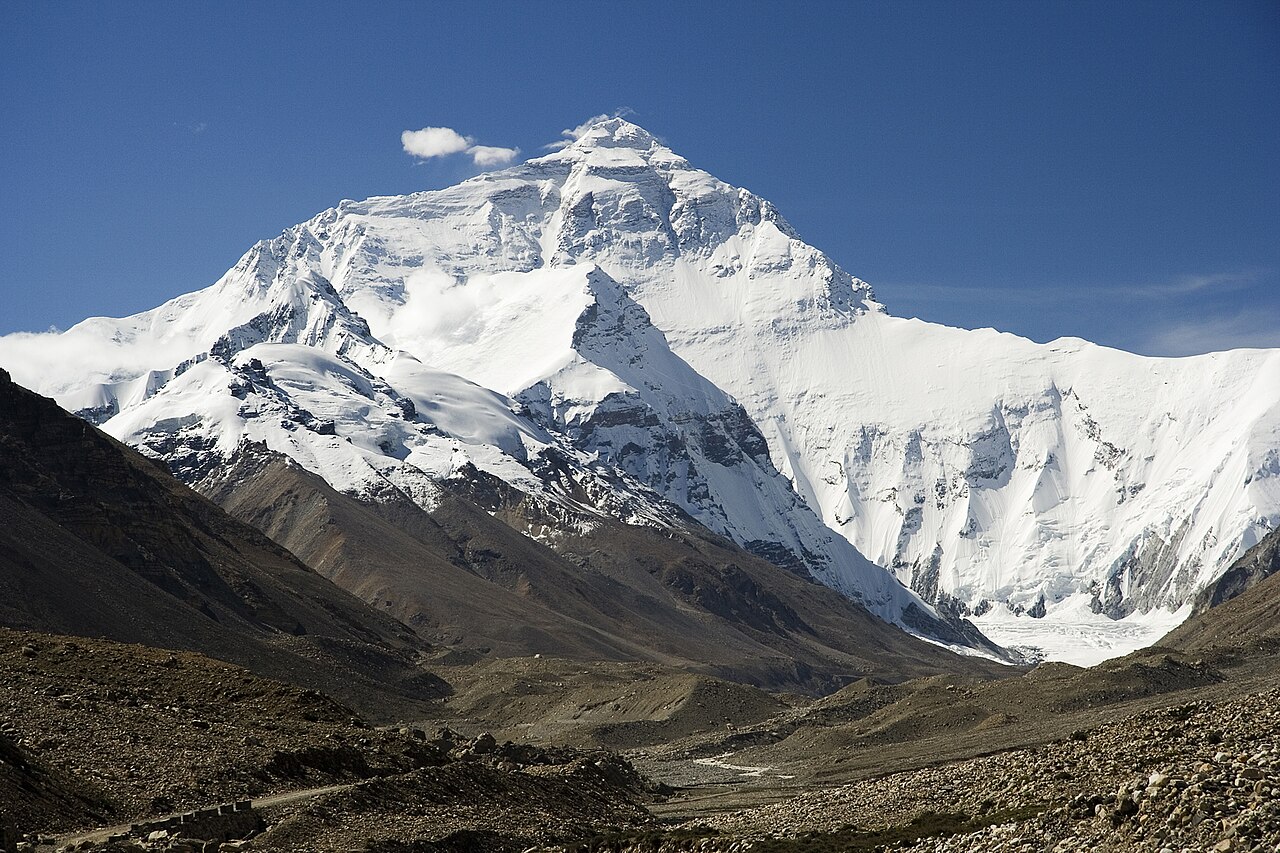
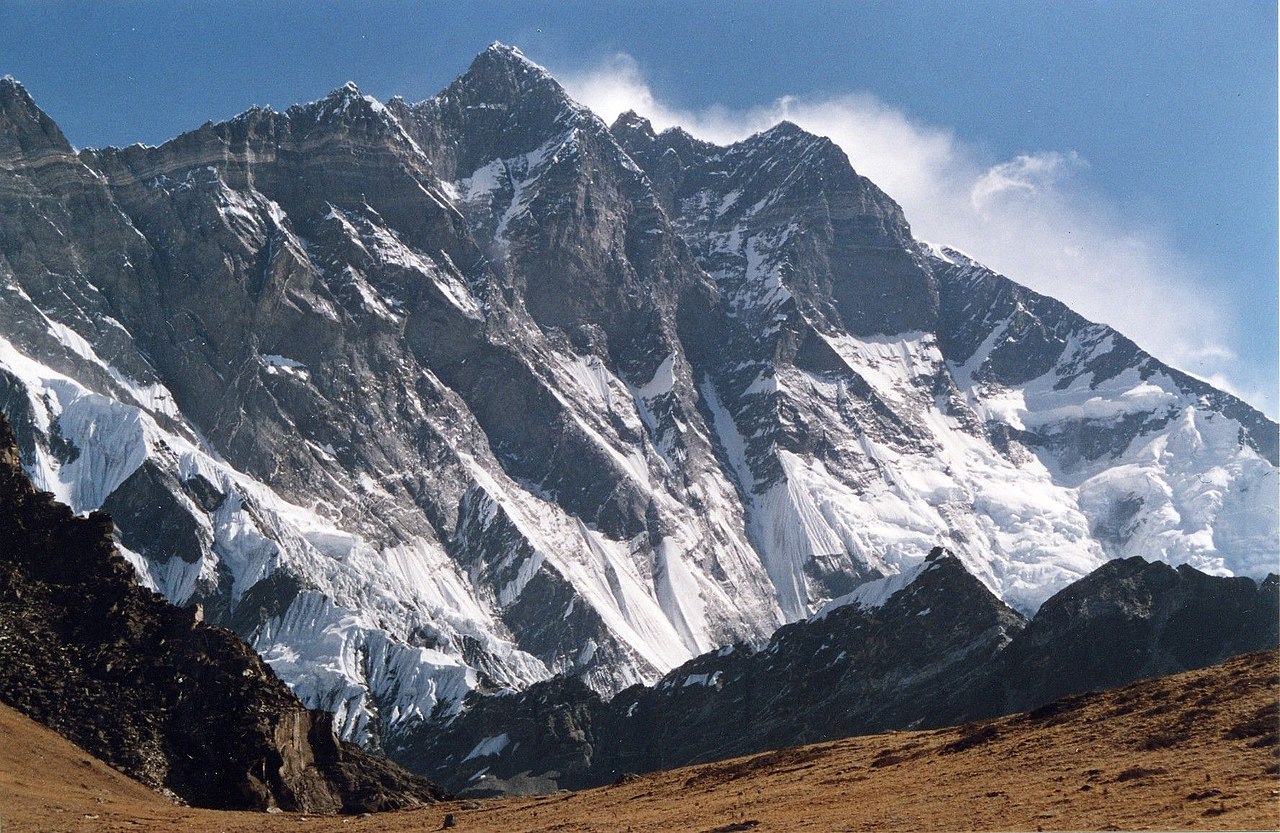
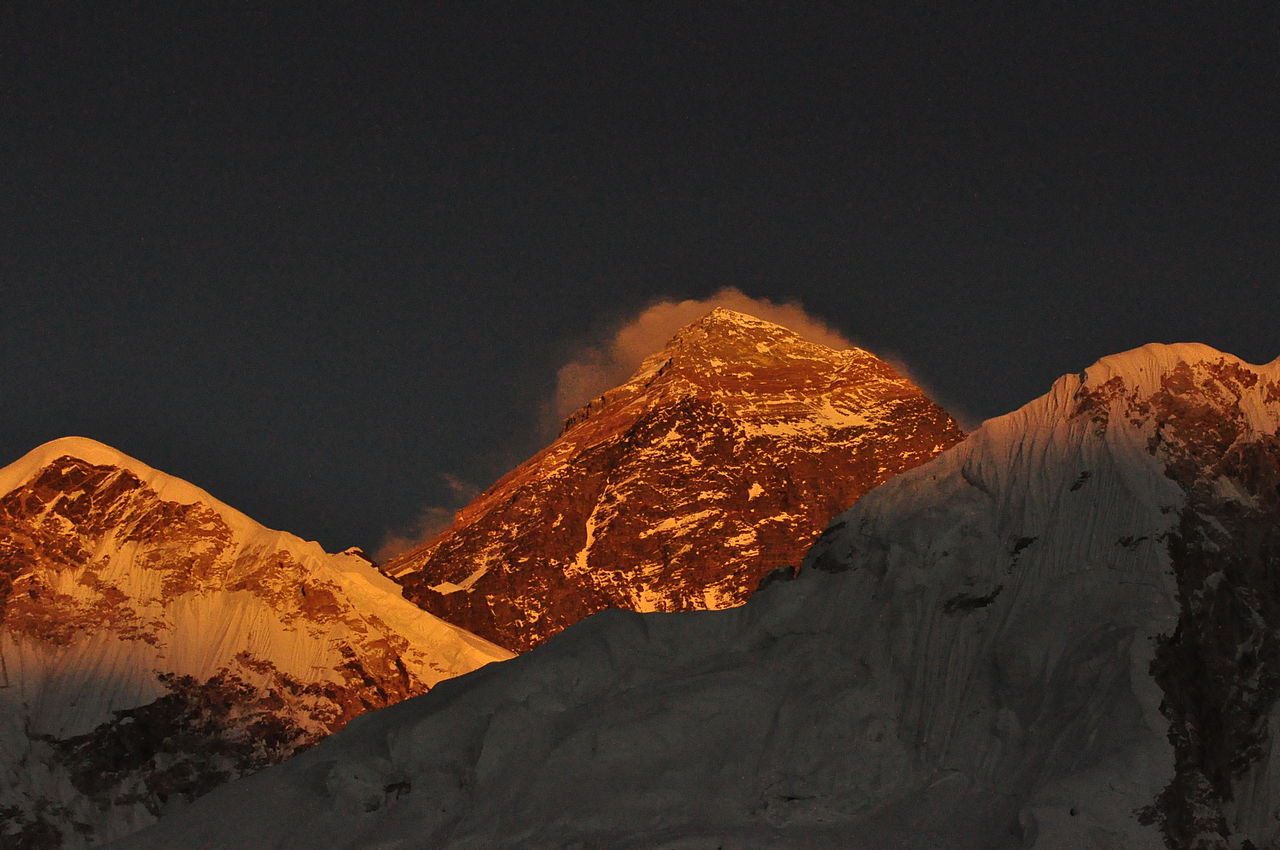
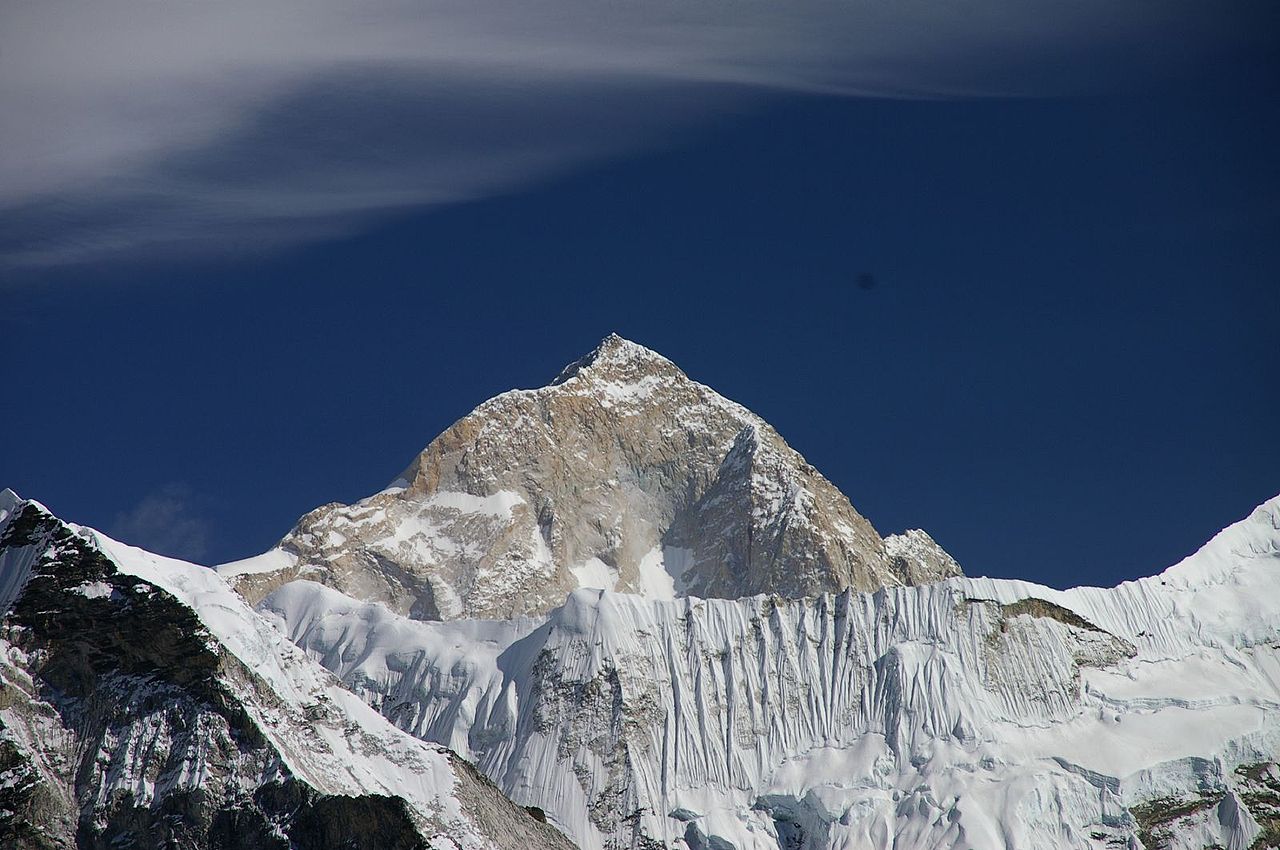
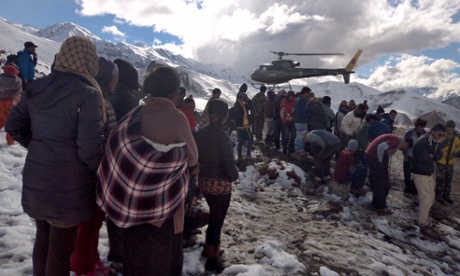
Over the past year it has become increasingly evident that the government in Nepal has been making decisions that are going to have a long term impact on the mountaineering landscape within the country. First, they changed the pricing scheme on Everest in which they did away with flat-fees for permits and started charging all climbers $11,000 no matter how many people were on the team. This was sold as a reduction in cost, but in reality it is an increase as most teams had no problems filling their permits, making it less expensive for everyone involved. Now comes word of further changes to regulations that could make small, low-budget expeditions a thing of the past.
In an article posted to the Himalayan Times a few days back it is revealed that all climbing teams will now have to pay a fee of US$10,000 for search and rescue insurance, and an additional US$7,000 for medical insurance too. On top of that, all teams will also be required to hire two full-time climbing support staff as well, bringing the costs up further.
These new regulations make some sense for large teams going to mountains like Everest or Annapurna, but the costs would be crippling to small groups of climbers attempting lesser peaks in Nepal. These regulations apply to everyone equally however, which means that the days of a small team climbing in the Himalaya on a budget could soon be over.
The article indicates that the Nepal Mountaineering Association, which is led by Ang Ushering Sherpa, has already asked the Nepali government to revise the rules for smaller groups climbing on one of the less dangerous peaks. What the outcome of that request will be remains to be seen.
Small teams of climbers working together on a low-cost expedition has been a part of mountaineering for decades. These new regulations could cripple those types of efforts in Nepal however, and potentially send climbers to other countries seeking more affordable experiences.
These ongoing adjustments to regulations and pricing make it clear that Nepal's government isn't particularly interested in accommodating foreign climbers, but is only looking for ways to make more money. Considering the political climate there in recent years, this shouldn't be a surprise. Still, they may be making decisions that will impact the long-term fortunes of the climbing community there, although they seem to be operating under the assumption that as long as people continue to come to Everest, they'll be fine.
Nepal etiketine sahip kayıtlar gösteriliyor. Tüm kayıtları göster
4 Şubat 2015 Çarşamba
3 Şubat 2015 Salı
Kickstarter Project: The Long Way to Everest
I generally get several emails a day from someone asking me to help promote their crowdfunding project. Most of them are of little interest to me, or those who read this blog. Some are simply asking others to help fund their travels, which I find somewhat distasteful. But occasionally I get an email about a project that I do find incredibly interesting and worth mentioning, which why I will post about some crowdfunding efforts from time to time. Take for example a new project from a budding filmmaker named Daniel Foutz who has come up with a unique idea for a documentary film that I think many would enjoy seeing.
Daniel calls his project The Long Way to Everest, and he has just launched a Kickstarter campaign to fund his idea. You see, as a child Daniel read books about Everest, and the mountain became a place that he fell in love with even though he had never seen it in person. That is something a lot of us can probably relate to. He often organized climbs with his friends back in his home country of the Philippines, and while they didn't come close to comparing to climbing the Himalaya, it spurred on a young man's imagination for adventure.
Now, Daniel would like to make the trek to Everest Base Camp himself so he can visit the place that he has read so much about. But unlike most trekkers who make that journey, he wants to skip the flight to Lukla and trek from a village called Jiri instead. You see, Jiri is the place where Edmund Hillary and Tenzing Norgay – along with the rest of their climbing team – began the trek to Everest on the historic expedition that ultimately produced the first ascent of the mountain. The hike from Jiri adds quite a few kilometers and days to the journey, which Daniel believes will take about three weeks to complete.
Prior to the construction of the airport in Lukla, Jiri and other villages along the original route received an influx of visitors that brought money to the local economy there. But now, those villages are all but ignored. Daniel says that in 2011 more than 37,000 people visited the Everest region. Only about 400 of those passed along the route that begins in Jiri. The idea behind The Long Way to Everest project is to follow the old route to the mountain and explore how the villages along that section of the trek are faring these days.
While the focus of the trek is to make a documentary film about the original trekking route and the villages that are found along the route that Hillary and Norgay used, there is another intriguing element to the project as well. Daniel also intends to carry a geocache time capsule with him to Base Camp which will contain historical information about the mountain, mementos from the trek, and letters from supporters of his efforts. He intends to lock that cache when he hides it, but provide clues to the combination to that lock which will be scattered along the trekking route. The coordinates will be shared for geocachers to find later, and whoever collects the clues gets to unlock the capsule and discover what is inside.
Not only do I think this sounds like a very interest project, I also applaud Daniel for not asking for others to completely fund it for him. He has set a very modest goal for his Kickstarter campaign of just $500 CAD, which is roughly $400 US at the moment. He has nearly reached halfway to his goal with more than 20 days to go, so hopefully he'll be able to get the funding he needs to get his project off the ground.
As someone who has made the trek to Everest Base Camp himself, and had some first hand experience in the villages that fall along the route, I think a documentary of this type would be very interesting. Hopefully we'll all get a chance to see it in the future.
Daniel calls his project The Long Way to Everest, and he has just launched a Kickstarter campaign to fund his idea. You see, as a child Daniel read books about Everest, and the mountain became a place that he fell in love with even though he had never seen it in person. That is something a lot of us can probably relate to. He often organized climbs with his friends back in his home country of the Philippines, and while they didn't come close to comparing to climbing the Himalaya, it spurred on a young man's imagination for adventure.
Now, Daniel would like to make the trek to Everest Base Camp himself so he can visit the place that he has read so much about. But unlike most trekkers who make that journey, he wants to skip the flight to Lukla and trek from a village called Jiri instead. You see, Jiri is the place where Edmund Hillary and Tenzing Norgay – along with the rest of their climbing team – began the trek to Everest on the historic expedition that ultimately produced the first ascent of the mountain. The hike from Jiri adds quite a few kilometers and days to the journey, which Daniel believes will take about three weeks to complete.
Prior to the construction of the airport in Lukla, Jiri and other villages along the original route received an influx of visitors that brought money to the local economy there. But now, those villages are all but ignored. Daniel says that in 2011 more than 37,000 people visited the Everest region. Only about 400 of those passed along the route that begins in Jiri. The idea behind The Long Way to Everest project is to follow the old route to the mountain and explore how the villages along that section of the trek are faring these days.
While the focus of the trek is to make a documentary film about the original trekking route and the villages that are found along the route that Hillary and Norgay used, there is another intriguing element to the project as well. Daniel also intends to carry a geocache time capsule with him to Base Camp which will contain historical information about the mountain, mementos from the trek, and letters from supporters of his efforts. He intends to lock that cache when he hides it, but provide clues to the combination to that lock which will be scattered along the trekking route. The coordinates will be shared for geocachers to find later, and whoever collects the clues gets to unlock the capsule and discover what is inside.
Not only do I think this sounds like a very interest project, I also applaud Daniel for not asking for others to completely fund it for him. He has set a very modest goal for his Kickstarter campaign of just $500 CAD, which is roughly $400 US at the moment. He has nearly reached halfway to his goal with more than 20 days to go, so hopefully he'll be able to get the funding he needs to get his project off the ground.
As someone who has made the trek to Everest Base Camp himself, and had some first hand experience in the villages that fall along the route, I think a documentary of this type would be very interesting. Hopefully we'll all get a chance to see it in the future.
Etiketler:
Adventure Travel,
Documentary,
Everest,
Kickstarter,
Nepal,
Trekking
9 Ocak 2015 Cuma
Video: Cloud Symphony - A Timelapse Journey Through England, Scotland, and the Himalaya
This video seems like a fitting way to close out the week. It features some amazing landscapes from England, Scotland and the Himalaya of India and Nepal, shot in timelapse. In each of these settings, the clouds in the sky overhead add a level of beauty and drama, as they drift by, twisting and turning in the wind. This if five minutes of pure bliss, set to a rousing soundtrack.
Cloud Symphony from Awhelin on Vimeo.
7 Ocak 2015 Çarşamba
The State of Everest in 2015
With the 2015 spring climbing season in the Himalaya still there months off, there remains a lot of uncertainty surrounding Everest. Following the unprecedented shutdown of the mountain last spring – when an avalanche claimed the lives of 16 Sherpas – politics have played a significant role in governing the future of climbing on the world's tallest peak. This year, commercial teams will return to the mountain, but not without a degree of trepidation as to how the season will unfold.
With this in mind, Alan Arnette has posted another excellent article to his blog that takes a look at the shifting attitudes of climbers and guides heading to Everest this spring. In putting this article together, Alan reached out to some of the top operators on the mountain to gauge their feelings about what to expect in a few months time. Some were very candid in their response, while others spoke off the record. By compiling those responses, Alan is able to give us a glimpse of the season ahead.
I won't spoil the entire article here, as I think it is important that you read it in its entirety. I will point out some of the larger factors that will be impacting the season ahead however. For instance, there still seems to be a lot of uncertainty amongst the guides as to how things will unfold this year. So much so, that the Peak Freaks, one of the top operators on the mountain, have decided to cancel their 2015 and 2016 expeditions to Everest. Others have decided to move to the North Side in Tibet, where they'll be out from under the control of the Nepalese government. These include Alpenglow, who will take 8 clients to the Chinese side of the mountain this spring. It should be noted that Himex had intended to guide an expedition from that side as well, but didn't have any clients elect to climb from the North.
The teams climbing from the South will take a new route through the treacherous Khumbu Icefall this year. This will hopefully eliminate some of the danger and cut down on the amount of time spent in that area. The Sherpas that were killed last spring were passing through the icefall when the avalanche occurred, and the hope is that this new route will be safer all around. The teams are also looking at ways to reduce the number of trips required through the icefall as well, potentially using helicopters to help shuttle gear, although the Nepalese government has been reluctant to allow that in the past.
There is some ongoing debate as to whether or not the North Side is safer than the South. Most of the guides that Alan spoke to didn't feel that was the case, but a few did. The prevailing feeling is that there are fewer deaths on that side of the mountain due to the fewer number of climbers. If more teams had to Tibet to climb, the number of fatalities is likely to go up there as well.
Finally, Alan updates readers about the current situation with the canceled climbing permits from 2014. The Nepalese government had originally said that they would honor them for a period of five years, but the entire team would have to return intact, or climbers would lose their ability to use the permit. They have since backpedaled some on that decision, although the final ruling sits with the Cabinet that oversees the country. They have not made a final decision yet, and are considering charging an additional $1000 to each climber to bring the cost of the permits inline with current pricing. Those changes are keeping some of the mountaineers away at the moment while permit issues get sorted out.
As I said, this is a good article that will give you an indication of the current climate that surrounds Everest expeditions. If you're interested in what is happening there, you'll definitely want to check out the full article.
With this in mind, Alan Arnette has posted another excellent article to his blog that takes a look at the shifting attitudes of climbers and guides heading to Everest this spring. In putting this article together, Alan reached out to some of the top operators on the mountain to gauge their feelings about what to expect in a few months time. Some were very candid in their response, while others spoke off the record. By compiling those responses, Alan is able to give us a glimpse of the season ahead.
I won't spoil the entire article here, as I think it is important that you read it in its entirety. I will point out some of the larger factors that will be impacting the season ahead however. For instance, there still seems to be a lot of uncertainty amongst the guides as to how things will unfold this year. So much so, that the Peak Freaks, one of the top operators on the mountain, have decided to cancel their 2015 and 2016 expeditions to Everest. Others have decided to move to the North Side in Tibet, where they'll be out from under the control of the Nepalese government. These include Alpenglow, who will take 8 clients to the Chinese side of the mountain this spring. It should be noted that Himex had intended to guide an expedition from that side as well, but didn't have any clients elect to climb from the North.
The teams climbing from the South will take a new route through the treacherous Khumbu Icefall this year. This will hopefully eliminate some of the danger and cut down on the amount of time spent in that area. The Sherpas that were killed last spring were passing through the icefall when the avalanche occurred, and the hope is that this new route will be safer all around. The teams are also looking at ways to reduce the number of trips required through the icefall as well, potentially using helicopters to help shuttle gear, although the Nepalese government has been reluctant to allow that in the past.
There is some ongoing debate as to whether or not the North Side is safer than the South. Most of the guides that Alan spoke to didn't feel that was the case, but a few did. The prevailing feeling is that there are fewer deaths on that side of the mountain due to the fewer number of climbers. If more teams had to Tibet to climb, the number of fatalities is likely to go up there as well.
Finally, Alan updates readers about the current situation with the canceled climbing permits from 2014. The Nepalese government had originally said that they would honor them for a period of five years, but the entire team would have to return intact, or climbers would lose their ability to use the permit. They have since backpedaled some on that decision, although the final ruling sits with the Cabinet that oversees the country. They have not made a final decision yet, and are considering charging an additional $1000 to each climber to bring the cost of the permits inline with current pricing. Those changes are keeping some of the mountaineers away at the moment while permit issues get sorted out.
As I said, this is a good article that will give you an indication of the current climate that surrounds Everest expeditions. If you're interested in what is happening there, you'll definitely want to check out the full article.
Etiketler:
Alan Arnette,
Everest,
Himalaya,
Mountaineering,
Nepal,
Tibet
18 Aralık 2014 Perşembe
Video; Trail Running on the Annapurna Circuit in Nepal
Ever wondered what it is like to go trail running in the High Himalaya of Nepal? Then you'll definitely want to check out this video that was put together by endurance athlete Jeff Pelletier who traveled there last December and ran along the Annapurna Circuit. As you'll see from the clip, the thin air isn't the only thing that is breathtaking along this route. The scenery is as amazing as you'd expect, with snowcapped peaks lining the horizon. Jeff gives us a great look at his adventure in Nepal, but if you'd like to know more about the specific trails he ran, be sure to read his trip report as well. After watching this, you'll want to hit a trail soon too.
16 Aralık 2014 Salı
All-Female Sherpa Climbing Team Turns Attention to Kangchenjunga
One of the best stories to come out of the mountaineering world over the past few years has been the emergence of the Maya Sherpa, Pasang Lhamu Sherpa, and Dawa Yangzum Sherpa as a high profile climbing team. The three women have joined forces to knock off some of the tallest – and toughest – mountains on the planet, and they aren't finished yet. But they have also found themselves struggling not just with the peaks that they have elected to climb, but also plenty of bureaucracy and misunderstanding as well.
The three ladies have already successfully climbed both Mt. Everest and K2. They were part of the very successful climbing season that took place in Pakistan this summer, and were able to summit K2 on July 26. In doing so, they became the first Nepali women to top out on the second highest mountain on the planet – one that is considered much more difficult to climb than Everest itself.
You would think that having knocked off two of the highest profile mountains on the planet, these women would have little problem finding sponsors to assist them in their endeavors. But according to a recent story in the Nepal Times, they are finding very little support for their efforts, even back home in a country that thrives on mountaineering. When they announced that they intended to climb K2, the response from many officials in Nepal was "Where is that?" Never the less, the Ministry of Tourism in Nepal pledged to give the team Rs 500,000 (roughly $8000) to help pay for their expedition. They have yet to receive any of that money, and they still owe Rs 2 million (about $31,600) on their K2 expedition.
Despite these set backs, they are forging ahead with plans to climb another 8000 meter peak. In the spring they hope to make an attempt on Kanchenjunga, the third highest mountain in the world at 8586 meters (28,169 ft). The mountain is located along the border of Nepal and Tibet, which will hopefully aid their cause in finding funding for the expedition. 2015 will mark the 60th anniversary of the first ascent of the mountain, and the girls hope to be there to commemorate that historic event.
When not climbing, the three women – each of whom is married – works as trekking and climbing guides. They are also very active in Himalayan Women Welfare Society, and organization focused on improving the lives women living in the region. They hope to be a good example for young Nepalis, many of whom don't know much about the mountains that surround them.
Considering all of the stories we've heard about the Nepali government over the past year, it shouldn't come as much of a surprise that officials would promise to help this team, only to not deliver on that promise and provide the women with the funds they need. Hopefully they will find a good connection with some sponsors, as they certainly deserve to have some attention drawn to their adventures in the mountains.
The three ladies have already successfully climbed both Mt. Everest and K2. They were part of the very successful climbing season that took place in Pakistan this summer, and were able to summit K2 on July 26. In doing so, they became the first Nepali women to top out on the second highest mountain on the planet – one that is considered much more difficult to climb than Everest itself.
You would think that having knocked off two of the highest profile mountains on the planet, these women would have little problem finding sponsors to assist them in their endeavors. But according to a recent story in the Nepal Times, they are finding very little support for their efforts, even back home in a country that thrives on mountaineering. When they announced that they intended to climb K2, the response from many officials in Nepal was "Where is that?" Never the less, the Ministry of Tourism in Nepal pledged to give the team Rs 500,000 (roughly $8000) to help pay for their expedition. They have yet to receive any of that money, and they still owe Rs 2 million (about $31,600) on their K2 expedition.
Despite these set backs, they are forging ahead with plans to climb another 8000 meter peak. In the spring they hope to make an attempt on Kanchenjunga, the third highest mountain in the world at 8586 meters (28,169 ft). The mountain is located along the border of Nepal and Tibet, which will hopefully aid their cause in finding funding for the expedition. 2015 will mark the 60th anniversary of the first ascent of the mountain, and the girls hope to be there to commemorate that historic event.
When not climbing, the three women – each of whom is married – works as trekking and climbing guides. They are also very active in Himalayan Women Welfare Society, and organization focused on improving the lives women living in the region. They hope to be a good example for young Nepalis, many of whom don't know much about the mountains that surround them.
Considering all of the stories we've heard about the Nepali government over the past year, it shouldn't come as much of a surprise that officials would promise to help this team, only to not deliver on that promise and provide the women with the funds they need. Hopefully they will find a good connection with some sponsors, as they certainly deserve to have some attention drawn to their adventures in the mountains.
Etiketler:
Everest,
K2,
Kangchenjunga,
Mountaineering,
Nepal,
Pakistan
The Cost of Climbing Everest: 2015 Edition
Whenever I discuss an expedition to Mt. Everest with someone who doesn't know much about mountaineering, I find that they are always surprised by two things. First, they have no idea that it takes roughly two months to summit the mountain after you factor in travel time to the Himalaya, getting to Base Camp, acclimatizing to the altitude, and waiting for the proper weather window. They are also continually shocked at how much an Everest climb actually costs, as they don't understand all the logistics involved.
To help all of us understand those costs better, each year, our friend Alan Arnette does a detailed analysis of the current going rates for an Everest climb. Yesterday, he posted the 2015 edition of his annual report, and it wasn't good news for prospective climbers. As Alan indicates in his report, costs have gone up substantially for the spring climbing season, and more companies are jumping across the border into Tibet in order to avoid ongoing strife between the Nepali government and the Sherpas in the wake of last year's shutdown on the South Side.
There are several significant factors that are causing the price of an Everest expedition to go up, including a raise in price for the climbing permit. This year, all climbers will be charged a flat-fee of $11,000 to get their name on a permit. In the past, it was usually about $10,000, with the overall price for the permit spread out across multiple climbers. Alan also says that more teams are increasing the amount of life insurance they are carrying for their Sherpa staff as well, going up from $10k to $15k, with the difference being covered by the clients of course. On top of that, Nepal has begun enforcing a 2012 rule that requires all trekkers and climbers to hire a local Sherpa guide for use during their visit. He estimated that will add an additional $4k to the price.
What does all of this mean for climbers wanting to attempt Everest? Alan says that the average price for a climb without western guides is now at $41,700. With western guides, that price rises to $57,000 on the South Side, and $46,000 on the North. In other words, it is a substantial sum of money no matter which side of the mountain you're climbing, and who you are climbing with. Alan is quick to point out that a few high-end guide services on the North Side are also skewing the average to a degree. Alpenglow and Himex have both jumped to the Chinese side of the mountain for 2015, and they charge $79,000 and $64,000 respectively. Without their numbers added into the mix, a North Side climb averages about $37,000.
But the big story isn't just the change in pricing. Alan says that there are major changes afoot in Nepal, as local operators take over the South Side. These companies have been offering good service for years, and now they have also learned the business side of leading expeditions as well. Many of these companies are now undercutting western guide services, and are attracting more and more clients. Alan warns that not all of these companies offer the same experience however, and that it remains a "buyer beware' environment.
This is just the very beginning of the report, as Alan also goes into the cost breakdown of the climb, examining the details of what you actually get for your money. He also looks at the price for planning your own Everest expedition, as well as the options for hiring guides, the size of teams, summit stats, and much more. Basically, this report contains everything you've ever wanted to know about putting together a climb on Everest, and then some.
If you follow the climate on Everest, much of what is reported here will come as no surprise. Considering the political fallout that came after the South Side was shutdown last spring, the future of expeditions to that side of the mountain remains a bit uncertain. Obviously the mountain is a cash-cow for the government of Nepal, but major disruptions could continue in the future, as disputes with labor still need to be resolved. It is a time of upheaval on Everest, and not all of the past conflicts have been settled just yet.
We still have a little over four months to go before the start of the busy Spring climbing season. It is already shaping up to be another interesting one.
To help all of us understand those costs better, each year, our friend Alan Arnette does a detailed analysis of the current going rates for an Everest climb. Yesterday, he posted the 2015 edition of his annual report, and it wasn't good news for prospective climbers. As Alan indicates in his report, costs have gone up substantially for the spring climbing season, and more companies are jumping across the border into Tibet in order to avoid ongoing strife between the Nepali government and the Sherpas in the wake of last year's shutdown on the South Side.
There are several significant factors that are causing the price of an Everest expedition to go up, including a raise in price for the climbing permit. This year, all climbers will be charged a flat-fee of $11,000 to get their name on a permit. In the past, it was usually about $10,000, with the overall price for the permit spread out across multiple climbers. Alan also says that more teams are increasing the amount of life insurance they are carrying for their Sherpa staff as well, going up from $10k to $15k, with the difference being covered by the clients of course. On top of that, Nepal has begun enforcing a 2012 rule that requires all trekkers and climbers to hire a local Sherpa guide for use during their visit. He estimated that will add an additional $4k to the price.
What does all of this mean for climbers wanting to attempt Everest? Alan says that the average price for a climb without western guides is now at $41,700. With western guides, that price rises to $57,000 on the South Side, and $46,000 on the North. In other words, it is a substantial sum of money no matter which side of the mountain you're climbing, and who you are climbing with. Alan is quick to point out that a few high-end guide services on the North Side are also skewing the average to a degree. Alpenglow and Himex have both jumped to the Chinese side of the mountain for 2015, and they charge $79,000 and $64,000 respectively. Without their numbers added into the mix, a North Side climb averages about $37,000.
But the big story isn't just the change in pricing. Alan says that there are major changes afoot in Nepal, as local operators take over the South Side. These companies have been offering good service for years, and now they have also learned the business side of leading expeditions as well. Many of these companies are now undercutting western guide services, and are attracting more and more clients. Alan warns that not all of these companies offer the same experience however, and that it remains a "buyer beware' environment.
This is just the very beginning of the report, as Alan also goes into the cost breakdown of the climb, examining the details of what you actually get for your money. He also looks at the price for planning your own Everest expedition, as well as the options for hiring guides, the size of teams, summit stats, and much more. Basically, this report contains everything you've ever wanted to know about putting together a climb on Everest, and then some.
If you follow the climate on Everest, much of what is reported here will come as no surprise. Considering the political fallout that came after the South Side was shutdown last spring, the future of expeditions to that side of the mountain remains a bit uncertain. Obviously the mountain is a cash-cow for the government of Nepal, but major disruptions could continue in the future, as disputes with labor still need to be resolved. It is a time of upheaval on Everest, and not all of the past conflicts have been settled just yet.
We still have a little over four months to go before the start of the busy Spring climbing season. It is already shaping up to be another interesting one.
Etiketler:
Alan Arnette,
Everest,
Himalaya,
Logistics,
Mountaineering,
Nepal,
Tibet
4 Aralık 2014 Perşembe
Take A Hot-Air Balloon Ride Over Everest – For $2.6 Million
While we're on the topic of Everest today, adventurer Chris Dewhirst has announced that he is looking for two people to join him on an epic hot-air balloon flight over the mountain, with the cost of the trip running $2.6 million each.
Dewhirst is no stranger to balloon flights over Everest. Back in 1991, he became the first person to ever complete such a journey. Now, he's looking to replicate that feat, and he's giving a couple of well-heeled adventurers the chance to join him.
The flight is being advertised on a luxury-travel site called If Only. The site offers a host of unusual items and experiences for sale, including a tennis weekend with Andre Agassi and Stefi Graf ($116,000), a private workout in San Francisco with Jerry Rice ($14,335), and an African safari with Jan Reynolds ($14,500).
But few of the times listed on the site can compare to the balloon ride over Everest. If someone should actually purchase the experience, they'll get more than just a short flight over the Himalaya. The itinerary calls for the team to be in Nepal for a couple of weeks as they acclimatize to the altitude, and wait for the proper weather conditions for the flight. The actual balloon ride will be an all-day affair, as Dewhirst takes himself, and his passengers, up to about 30,000 feet (9144 meters) so they can gently drift over the summit of Everest.
The If Only ad recommends that those who are interested in joining this adventure be in good physical condition. It will be a challenge, despite the fact that they aren't actually climbing the mountain. The ad says that those who do join Dewhirst on this flight will be rewarded with one of the most spectacular views on the planet.
So, if you're in good shape, want to see Everest for yourself, and have $2.6 million burning a whole in your pocket, you can find out more about this trip by clicking here.
Dewhirst is no stranger to balloon flights over Everest. Back in 1991, he became the first person to ever complete such a journey. Now, he's looking to replicate that feat, and he's giving a couple of well-heeled adventurers the chance to join him.
The flight is being advertised on a luxury-travel site called If Only. The site offers a host of unusual items and experiences for sale, including a tennis weekend with Andre Agassi and Stefi Graf ($116,000), a private workout in San Francisco with Jerry Rice ($14,335), and an African safari with Jan Reynolds ($14,500).
But few of the times listed on the site can compare to the balloon ride over Everest. If someone should actually purchase the experience, they'll get more than just a short flight over the Himalaya. The itinerary calls for the team to be in Nepal for a couple of weeks as they acclimatize to the altitude, and wait for the proper weather conditions for the flight. The actual balloon ride will be an all-day affair, as Dewhirst takes himself, and his passengers, up to about 30,000 feet (9144 meters) so they can gently drift over the summit of Everest.
The If Only ad recommends that those who are interested in joining this adventure be in good physical condition. It will be a challenge, despite the fact that they aren't actually climbing the mountain. The ad says that those who do join Dewhirst on this flight will be rewarded with one of the most spectacular views on the planet.
So, if you're in good shape, want to see Everest for yourself, and have $2.6 million burning a whole in your pocket, you can find out more about this trip by clicking here.
Etiketler:
Adventure Travel,
Ballooning,
Everest,
Himalaya,
Nepal
24 Kasım 2014 Pazartesi
Nepal Backtracks on Everest Permits, 2014 Climbers No Longer Need to Return as a Group
What a difference a week can make. Last Monday I posted a story about how Nepal was honoring the cancelled permits from the 2014 Everest climbing season, but had put a stipulation on their use that would cause many to be unable to climb on the permit that they actually paid for. But now, the Himalaya country has backtracked on those restrictions and is providing better opportunities for the climbers who saw their dreams of scaling Everest dashed this past spring.
As I'm sure most of you know by now, the spring climbing season on Everest was cancelled following a massive avalanche that left 16 Sherpas dead. It was the worst accident in the history of the tallest mountain on the planet, and the aftermath left many of the men and women who work on the mountain angry, confused, and demanding better compensation. At the time, the Nepali government made the decision to close things down, while they looked for ways to defuse the situation. That decision sent hundreds of foreign climbers home, unsure of their future on Everest.
Eventually Nepal's Ministry of Tourism announced that it would honor the climbing permits for five years, giving most of the mountaineers an opportunity to return to Everest, and attempt to climb the mountain once again. But the preliminary announcement indicated that all the climbers listed on a permit would need to return together in order to take advantage of this plan. Those that were unable to come back with their teammates would see their opportunity forfeit, and would have to pay for another permit on future attempts. This meant that if a single member of a team went back to Everest, and used his or her 2014 permit, all the other climbers listed on that document would no longer be able to use that permit themselves.
This was of course a confounding stipulation, as it would be almost impossible for a full team to reassemble to try Everest once again. Fortunately, someone in Nepal saw this as a problem, and was successful in changing the rules. Now, any climber who was on a cancelled permit from the spring 2014 climbing season can use that permit at any time over the course of the next five year. They no longer have to return with their previous team, and they can sign on to any expedition they choose.
I applaud the Nepali government for making this change to the regulations that will give climbers on 2014 permits more freedom to choose when they'll return. This is how the system should have worked in the first place of course, but it is good to see that someone saw the injustice in the previous plan, and made a move to adjust it. Hopefully now, more climbers will have an opportunity to go back to Everest over the next five years, and attempt to climb the mountain.
The spring 2015 season is still months away of course, and yet we continue to find plenty of things to talk about in regards to Everest. I have a feeling the run up to the start of the next climbing season is going to be an interesting one.
As I'm sure most of you know by now, the spring climbing season on Everest was cancelled following a massive avalanche that left 16 Sherpas dead. It was the worst accident in the history of the tallest mountain on the planet, and the aftermath left many of the men and women who work on the mountain angry, confused, and demanding better compensation. At the time, the Nepali government made the decision to close things down, while they looked for ways to defuse the situation. That decision sent hundreds of foreign climbers home, unsure of their future on Everest.
Eventually Nepal's Ministry of Tourism announced that it would honor the climbing permits for five years, giving most of the mountaineers an opportunity to return to Everest, and attempt to climb the mountain once again. But the preliminary announcement indicated that all the climbers listed on a permit would need to return together in order to take advantage of this plan. Those that were unable to come back with their teammates would see their opportunity forfeit, and would have to pay for another permit on future attempts. This meant that if a single member of a team went back to Everest, and used his or her 2014 permit, all the other climbers listed on that document would no longer be able to use that permit themselves.
This was of course a confounding stipulation, as it would be almost impossible for a full team to reassemble to try Everest once again. Fortunately, someone in Nepal saw this as a problem, and was successful in changing the rules. Now, any climber who was on a cancelled permit from the spring 2014 climbing season can use that permit at any time over the course of the next five year. They no longer have to return with their previous team, and they can sign on to any expedition they choose.
I applaud the Nepali government for making this change to the regulations that will give climbers on 2014 permits more freedom to choose when they'll return. This is how the system should have worked in the first place of course, but it is good to see that someone saw the injustice in the previous plan, and made a move to adjust it. Hopefully now, more climbers will have an opportunity to go back to Everest over the next five years, and attempt to climb the mountain.
The spring 2015 season is still months away of course, and yet we continue to find plenty of things to talk about in regards to Everest. I have a feeling the run up to the start of the next climbing season is going to be an interesting one.
18 Kasım 2014 Salı
Himalaya Fall 2014: The Season is Over
It has been a long, and often difficult, fall season in the Himalaya, where poor weather, unstable conditions, and challenging routes have made for a less than successful year in the big mountains. While I was away in Ecuador, the last remaining teams wrapped up their expeditions, and the season has come to a close at last. But before we close the book on another year in the Himalaya, I wanted to post a couple of updates on things that took place over the past couple of week.
Before I departed for South America, we were watching Lhotse closely, waiting for new from the South Korean team that has been struggling for two very long months to make progress on that mountain. In the first week of November, the team set off on a summit push, installing Camp 4, and hoping to move to the top of the 8516 meter (27,940 ft) peak. According to ExWeb, the climbers reached as high as 7800 meters (25,590 ft) before they were once again turned back by high winds and poor conditions. One of the team members was also said to be in deteriorating health as well, which eventually forced the abandonment of the entire project.
One other expedition that had been ongoing was the attempt by Canadian climbers Jason Kruk and Ian Welsted to summit Nuptse along the South Face. The duo spent four days on their summit push, but were forced to turn back after encountering conditions that prevented them from reaching the top. Later, Welsted feinted on the trail and had to be airlifted out to safety. He seems to be in good condition, and all is well, but it did put a scare into Kruk for a time. The episode took place on November 3, and was the result of fatigue after living above 5000 meters (16,404 ft) for five weeks. The boys are home now, and doing much better.
This report brings a wrap to the 2014 fall Himalaya climbing season, and now all eyes will turn towards the spring, when Everest will sure dominate the scene once again. Considering how unusual the past few seasons have been on the Big Hill, I suspect we will not lack for drama once again in 2015.
Before I departed for South America, we were watching Lhotse closely, waiting for new from the South Korean team that has been struggling for two very long months to make progress on that mountain. In the first week of November, the team set off on a summit push, installing Camp 4, and hoping to move to the top of the 8516 meter (27,940 ft) peak. According to ExWeb, the climbers reached as high as 7800 meters (25,590 ft) before they were once again turned back by high winds and poor conditions. One of the team members was also said to be in deteriorating health as well, which eventually forced the abandonment of the entire project.
One other expedition that had been ongoing was the attempt by Canadian climbers Jason Kruk and Ian Welsted to summit Nuptse along the South Face. The duo spent four days on their summit push, but were forced to turn back after encountering conditions that prevented them from reaching the top. Later, Welsted feinted on the trail and had to be airlifted out to safety. He seems to be in good condition, and all is well, but it did put a scare into Kruk for a time. The episode took place on November 3, and was the result of fatigue after living above 5000 meters (16,404 ft) for five weeks. The boys are home now, and doing much better.
This report brings a wrap to the 2014 fall Himalaya climbing season, and now all eyes will turn towards the spring, when Everest will sure dominate the scene once again. Considering how unusual the past few seasons have been on the Big Hill, I suspect we will not lack for drama once again in 2015.
Etiketler:
Himalaya,
Lhotse,
Mountaineering,
Nepal,
Nuptse
17 Kasım 2014 Pazartesi
Nepal Extends Spring 2014 Climbing Permits for 5 Years – With a Catch!
I am back from Ecuador and ready to get back to updating The Adventure Blog on a regular schedule once again. A lot happened while I was away for the past week and a half, so over the next few days I'll be playing catch-up to a degree. So with that said, lets get stated with an important news story that broke out of Nepal last week regarding the climbing permits from the spring 2014 season, when the South Side of Everest was shut down due to the tragic avalanche that claimed the lives of 16 Sherpas on the mountain.
In the wake of that disaster – the worst in Everest history – the Nepali government announced that it would honor the climbing permits for all of the mountaineers who were unable to attempt to climb the world's highest mountain this past spring. Further, officials said that those permits would be good for up to five years, allowing climbers to come back once again, and give Everest another go. Of course, this sounds like the honorable thing for Nepal to do, considering the way the situation unfolded this past spring. But the fine print to this announcement has left many shaking their heads once again, as the Himalayan country continues to show a complete disregard for the people that spent tens of thousands of dollars to climb Everest, but didn't even get the chance to set foot on the mountain.
In their announcement, officials from the Ministry of Tourism indicated that all of the climbers listed on a permit must return to climb Everest together, or the permit will become null and void. In other words, if a single climber returns to the mountain under his or her 2014 permit, the rest of the team must accompany that climber, or they lose the right to make their attempt, and must pay for a new permit.
This is, of course, a ludicrous rule, as it will be nearly impossible for an entire team to reassemble and attempt to climb Everest together again. It makes a good deal of scheduling – not to mention budgeting – for a trip to the Himalaya to come together, and for everyone listed on a single permit to be able to coordinate their efforts seems unlikely. While some groups will probably be able to get members of the team together, it seems unlikely that entire teams will be able to agree on a date when they can all go back to Nepal together. Some climbers are simply going to lose their climbing fees, and of course Nepal is simply going to pocket that money.
The right thing to do would be to honor the permits for five years as announced, but to allow the climbers who have already paid for their permits to join other squads as their schedule permits. Why Nepal has elected to enforce these strict guidelines is unclear, but it also seems typical for the way the government their handles these situations. It is a clear sign that the officials calling the shots there are only interested in money, and not the best interest of the mountaineers who visit their country on an annual basis. Then again, this is no surprise for anyone who has followed the situation in the Himalayan country closely over the past few years. Corruption and inept management of its resources are the norm in Nepal, and that doesn't look like it is going to change anytime soon.
Hopefully, most of the climbers who were hit by the shutdown will be able to return and claim their right to use the permits they paid for. But it will simply be impossible for all of them to do so, and more than a few are going to be left out in the cold. It is a bad situation that continues to get worse.
In the wake of that disaster – the worst in Everest history – the Nepali government announced that it would honor the climbing permits for all of the mountaineers who were unable to attempt to climb the world's highest mountain this past spring. Further, officials said that those permits would be good for up to five years, allowing climbers to come back once again, and give Everest another go. Of course, this sounds like the honorable thing for Nepal to do, considering the way the situation unfolded this past spring. But the fine print to this announcement has left many shaking their heads once again, as the Himalayan country continues to show a complete disregard for the people that spent tens of thousands of dollars to climb Everest, but didn't even get the chance to set foot on the mountain.
In their announcement, officials from the Ministry of Tourism indicated that all of the climbers listed on a permit must return to climb Everest together, or the permit will become null and void. In other words, if a single climber returns to the mountain under his or her 2014 permit, the rest of the team must accompany that climber, or they lose the right to make their attempt, and must pay for a new permit.
This is, of course, a ludicrous rule, as it will be nearly impossible for an entire team to reassemble and attempt to climb Everest together again. It makes a good deal of scheduling – not to mention budgeting – for a trip to the Himalaya to come together, and for everyone listed on a single permit to be able to coordinate their efforts seems unlikely. While some groups will probably be able to get members of the team together, it seems unlikely that entire teams will be able to agree on a date when they can all go back to Nepal together. Some climbers are simply going to lose their climbing fees, and of course Nepal is simply going to pocket that money.
The right thing to do would be to honor the permits for five years as announced, but to allow the climbers who have already paid for their permits to join other squads as their schedule permits. Why Nepal has elected to enforce these strict guidelines is unclear, but it also seems typical for the way the government their handles these situations. It is a clear sign that the officials calling the shots there are only interested in money, and not the best interest of the mountaineers who visit their country on an annual basis. Then again, this is no surprise for anyone who has followed the situation in the Himalayan country closely over the past few years. Corruption and inept management of its resources are the norm in Nepal, and that doesn't look like it is going to change anytime soon.
Hopefully, most of the climbers who were hit by the shutdown will be able to return and claim their right to use the permits they paid for. But it will simply be impossible for all of them to do so, and more than a few are going to be left out in the cold. It is a bad situation that continues to get worse.
5 Kasım 2014 Çarşamba
Himalaya Fall 2014: Two More Lives Claimed as Deadly Climbing Season Continues
As the fall climbing season continues to grind to a halt in the Himalaya, we continue to get bad news out of Nepal. Today we learn that two more climbers lost their lives in separate incidences, as an incredibly sad, and dangerous, season continues in the big mountains.
The first death occurred on Ama Dablam, where several teams have been making late-season summit bids this past week. Yesterday, an avalanche rolled down the side of the mountain, claiming the life of one Sherpa guide, and injuring three foreign climbers. The Sherpa who was killed has been identified as 26-year old Dendi Sherpa, who was reportedly leading the team above Camp 2 at 6812 meters (22,349 ft) when the avalanche occurred. The other three members of the team – one Swiss, one Russian, and one Brit – were airlifted from the mountain back to Kathmandu, where they are reportedly in stable condition.
Meanwhile, an Italian climber by the name of Robert Gassary has died on Mt. Kyajari, a 6186 meter (20,295 ft) peak in the Khumbu Valley, not far from Everest. Reportedly, Gassary fainted while climbing up the mountain, and died immediately on the spot. The cause of his death has been ruled as altitude sickness.
These latest fatalities only extend what has been an extremely trying year in Nepal. From the avalanche on Everest that claimed 16 lives this past spring, to the massive blizzard that killed 43 a few weeks back, it has been an incredibly bad year in the Himalaya. With the season nearly over, lets hope that there will be no more deaths for the foreseeable future.
While we're sharing news from Nepal, I'd be remiss if I didn't mention the Korean team climbing on Lhotse. There has been no updates on their progress for a week and a half, and at this point the team's current status is unknown. When they last checked in, they were starting to shuttle gear to Camp 4 in preparation for a summit push, but they have not sent a dispatch since that time. Considering the poor weather that they have experienced since arriving on the mountain two months ago, it is possible that they are simply holed-up in Base Camp, and are waiting for a weather window to launch their summit bid. But, it is just as likely that they have decided to all it quits for the season, and head home. Hopefully we'll hear more soon.
That's all for now. I'll post any more updates as the news warrants.
The first death occurred on Ama Dablam, where several teams have been making late-season summit bids this past week. Yesterday, an avalanche rolled down the side of the mountain, claiming the life of one Sherpa guide, and injuring three foreign climbers. The Sherpa who was killed has been identified as 26-year old Dendi Sherpa, who was reportedly leading the team above Camp 2 at 6812 meters (22,349 ft) when the avalanche occurred. The other three members of the team – one Swiss, one Russian, and one Brit – were airlifted from the mountain back to Kathmandu, where they are reportedly in stable condition.
Meanwhile, an Italian climber by the name of Robert Gassary has died on Mt. Kyajari, a 6186 meter (20,295 ft) peak in the Khumbu Valley, not far from Everest. Reportedly, Gassary fainted while climbing up the mountain, and died immediately on the spot. The cause of his death has been ruled as altitude sickness.
These latest fatalities only extend what has been an extremely trying year in Nepal. From the avalanche on Everest that claimed 16 lives this past spring, to the massive blizzard that killed 43 a few weeks back, it has been an incredibly bad year in the Himalaya. With the season nearly over, lets hope that there will be no more deaths for the foreseeable future.
While we're sharing news from Nepal, I'd be remiss if I didn't mention the Korean team climbing on Lhotse. There has been no updates on their progress for a week and a half, and at this point the team's current status is unknown. When they last checked in, they were starting to shuttle gear to Camp 4 in preparation for a summit push, but they have not sent a dispatch since that time. Considering the poor weather that they have experienced since arriving on the mountain two months ago, it is possible that they are simply holed-up in Base Camp, and are waiting for a weather window to launch their summit bid. But, it is just as likely that they have decided to all it quits for the season, and head home. Hopefully we'll hear more soon.
That's all for now. I'll post any more updates as the news warrants.
Etiketler:
Ama Dablam,
Himalaya,
Mountaineering,
Nepal
31 Ekim 2014 Cuma
Himalaya Fall 2014: Brits Depart Makalu Base Camp, First Ascent in the Indian Himalaya
As the fall climbing season in the Himalaya slowly grinds to a halt, we continue to receive a few updates from the mountains. At this point, there are only a matter of days left before the season begins to shift, but there are still a few bits of news to share.
First up, the British Tri-Services team posted a dispatch from Makalu indicating that they have now departed Base Camp on the Southeast Ridge, and are making their way back to Kathmandu. They report that poor weather continues to be the norm, with heavy snow, and rain, making it challenging to trek through the mountains once again. They are still a few days away from KTM, and the porters carrying their gear are a couple of days behind the climbers, but they expect that they should be on their way back to the U.K. by next week.
A few weeks back, the Slovenian team of Aleš Česen, Luka Lindič and Marko Prezelj became the first men to climb a new route on Hagshu, a 6657 meter (21,840 ft) peak in the Indian Himalaya. The team completed the climb in alpine style, first making the ascent of the North Face, then traversing the mountain to the main summit. While that was the main objective of the expedition, the trio first acclimatized on two other nearby peaks, making first ascents on both Lagan (5750 m/18,865 ft) and Hana's Men (6300 m/20,669 ft). It is safe to say that this was a successful expedition, considering they made first ascents on three peaks, and did all of them in light alpine style. Well done, and congratulations to the team.
Finally, there continues to be no word from Lhotse on the progress of the Korean Team. A few days back we received word that they were heading up to Camp 4, where they intended to stash gear in preparation for a summit push to come. Since then, there have been no updates, but presumably everything is going according to plan. The team has been on Lhotse for nearly two months now, and have faced bad weather and avalanches almost since the day they arrived. But time is running short now, and if they intend to make a summit bid, it will have to come soon. Hopefully we'll get an update over the weekend.
Various reports continue to indicate that the weather has been poor in the Himalaya once again. It has been a tough season there, and not an entirely successful one. Hopefully things will improve in the spring, when more teams head to the mountains, and Everest becomes a hive of activity.
More updates coming soon, as warranted.
First up, the British Tri-Services team posted a dispatch from Makalu indicating that they have now departed Base Camp on the Southeast Ridge, and are making their way back to Kathmandu. They report that poor weather continues to be the norm, with heavy snow, and rain, making it challenging to trek through the mountains once again. They are still a few days away from KTM, and the porters carrying their gear are a couple of days behind the climbers, but they expect that they should be on their way back to the U.K. by next week.
A few weeks back, the Slovenian team of Aleš Česen, Luka Lindič and Marko Prezelj became the first men to climb a new route on Hagshu, a 6657 meter (21,840 ft) peak in the Indian Himalaya. The team completed the climb in alpine style, first making the ascent of the North Face, then traversing the mountain to the main summit. While that was the main objective of the expedition, the trio first acclimatized on two other nearby peaks, making first ascents on both Lagan (5750 m/18,865 ft) and Hana's Men (6300 m/20,669 ft). It is safe to say that this was a successful expedition, considering they made first ascents on three peaks, and did all of them in light alpine style. Well done, and congratulations to the team.
Finally, there continues to be no word from Lhotse on the progress of the Korean Team. A few days back we received word that they were heading up to Camp 4, where they intended to stash gear in preparation for a summit push to come. Since then, there have been no updates, but presumably everything is going according to plan. The team has been on Lhotse for nearly two months now, and have faced bad weather and avalanches almost since the day they arrived. But time is running short now, and if they intend to make a summit bid, it will have to come soon. Hopefully we'll get an update over the weekend.
Various reports continue to indicate that the weather has been poor in the Himalaya once again. It has been a tough season there, and not an entirely successful one. Hopefully things will improve in the spring, when more teams head to the mountains, and Everest becomes a hive of activity.
More updates coming soon, as warranted.
Etiketler:
First Ascent,
Himalaya,
India,
Lhotse,
Makalu,
Mountaineering,
Nepal
30 Ekim 2014 Perşembe
Himalaya Fall 2014: Final Numbers from Blizzard in Nepal are Sobering
It has been a little more than two weeks since the incredibly strong blizzard – spurred on by cyclone Hudhud in the Indian Ocean – hit Nepal, creating a tragic scene in the Himalaya as a result. Now that things have finally calmed down there, and mostly returned to normal, we're beginning to get a better understanding of the scope of what happened, and just how deadly the storm truly was.
According to official reports, 43 people lost their lives in the blizzard, most of whom were Nepali, although there were also casualties from Canada, Israel, India, Japan, Poland, and Slovakia as well. In the days that followed the storm, more than 70 helicopter flights were made, carrying 514 people out of the the mountains. This is, by far, the largest search and rescue operation ever conducted in Nepal, with evacuations on a massive scale. To make matters worse, there are still some Nepali's that are believed to be missing, which means the number of dead could still go up from here.
As mentioned previously, Nepal's government has vowed to make changes that will improve the safety of foreigners visiting the Himalaya. New regulations governing how trekkers travel in the mountains are expected to be announced before the start of the spring season in April, with the possible requirement of hiring a local guide, and carrying a GPS tracker, as part of the discussion. Officials have also indicated that they are seeking ways of improving weather forecasting, and more efficient means of sharing those forecasts to remote regions.
All of these suggestions sound like good ones, but the problem is that we've heard this kind of rhetoric out of Nepal before. There have been announcements in the past stating that trekkers would be required to hire local guides, but those rules have not been enforced, and many travelers still hike the Himalaya independently. There is little indication that things will be different this time, in part because Nepal's track record has been so spotty over the years.
Case in point, last year it was announced that the Nepali government would have a more active presence in Everest Base Camp following the much-publisized dispute between three high profile climbers from Europe, and an angry mob of Sherpas back in the spring of 2012. There were suppose to be more liaison officers in BC, and even a number of military and police officers as well. When the tragic avalanche hit the mountain on April 18 of this year, claiming the lives of 16 men, there were almost no government officials in Base Camp at all. Witnesses to the accident have since said that having liaison officers there could have facilitated rescue operations, but instead they were hindered by the lack of an official government presence on the mountain.
Every expedition to Everest is also suppose to be accompanied by their own assigned liaison officer, but many of those officials never make it to the mountain either. The funding to support that infrastructure isn't always there, despite the fact that mountaineers pay a fee that is suppose to specifically pay for the expenses of those officers.
Despite the ongoing problems with dealing with the Nepali government, there were other factors at play that helped create this tragedy as well. The ferocity of the snow storm so early in the fall caught many people off guard, and they simply weren't prepared to deal with it. The fall is typically a great time to be in the Himalaya, but this storm was just completely unexpected.
It also doesn't help that many trekkers show up completely unprepared for their journey. They often lack the proper gear, and level of fitness, for a challenging hike, and have no idea what kind of weather to expect. I've witnessed this first hand while in Nepal, as people that I trekked with brought sleeping bags that weren't rated properly for the temperature, didn't have proper clothing, or even a hat. As a result, they ended up suffering along the way, even when conditions were relatively good.
Clearly, there is room for improvement all around. Trekkers need to be more knowledgeable and prepared for what they are in for, and pack for adverse conditions. Meanwhile, the Ministry of Tourism in Nepal needs to continue to seek ways to improve safety for travelers, and actually enforce those regulations strictly.
Nepal is an amazing, wonderful country, with great culture and some of the most stunning landscapes on the planet. I would certainly encourage any traveler to visit if they have desire. But when you go, make sure you're fully prepared for the experience. In the long run, it'll make it that much better for you.
According to official reports, 43 people lost their lives in the blizzard, most of whom were Nepali, although there were also casualties from Canada, Israel, India, Japan, Poland, and Slovakia as well. In the days that followed the storm, more than 70 helicopter flights were made, carrying 514 people out of the the mountains. This is, by far, the largest search and rescue operation ever conducted in Nepal, with evacuations on a massive scale. To make matters worse, there are still some Nepali's that are believed to be missing, which means the number of dead could still go up from here.
As mentioned previously, Nepal's government has vowed to make changes that will improve the safety of foreigners visiting the Himalaya. New regulations governing how trekkers travel in the mountains are expected to be announced before the start of the spring season in April, with the possible requirement of hiring a local guide, and carrying a GPS tracker, as part of the discussion. Officials have also indicated that they are seeking ways of improving weather forecasting, and more efficient means of sharing those forecasts to remote regions.
All of these suggestions sound like good ones, but the problem is that we've heard this kind of rhetoric out of Nepal before. There have been announcements in the past stating that trekkers would be required to hire local guides, but those rules have not been enforced, and many travelers still hike the Himalaya independently. There is little indication that things will be different this time, in part because Nepal's track record has been so spotty over the years.
Case in point, last year it was announced that the Nepali government would have a more active presence in Everest Base Camp following the much-publisized dispute between three high profile climbers from Europe, and an angry mob of Sherpas back in the spring of 2012. There were suppose to be more liaison officers in BC, and even a number of military and police officers as well. When the tragic avalanche hit the mountain on April 18 of this year, claiming the lives of 16 men, there were almost no government officials in Base Camp at all. Witnesses to the accident have since said that having liaison officers there could have facilitated rescue operations, but instead they were hindered by the lack of an official government presence on the mountain.
Every expedition to Everest is also suppose to be accompanied by their own assigned liaison officer, but many of those officials never make it to the mountain either. The funding to support that infrastructure isn't always there, despite the fact that mountaineers pay a fee that is suppose to specifically pay for the expenses of those officers.
Despite the ongoing problems with dealing with the Nepali government, there were other factors at play that helped create this tragedy as well. The ferocity of the snow storm so early in the fall caught many people off guard, and they simply weren't prepared to deal with it. The fall is typically a great time to be in the Himalaya, but this storm was just completely unexpected.
It also doesn't help that many trekkers show up completely unprepared for their journey. They often lack the proper gear, and level of fitness, for a challenging hike, and have no idea what kind of weather to expect. I've witnessed this first hand while in Nepal, as people that I trekked with brought sleeping bags that weren't rated properly for the temperature, didn't have proper clothing, or even a hat. As a result, they ended up suffering along the way, even when conditions were relatively good.
Clearly, there is room for improvement all around. Trekkers need to be more knowledgeable and prepared for what they are in for, and pack for adverse conditions. Meanwhile, the Ministry of Tourism in Nepal needs to continue to seek ways to improve safety for travelers, and actually enforce those regulations strictly.
Nepal is an amazing, wonderful country, with great culture and some of the most stunning landscapes on the planet. I would certainly encourage any traveler to visit if they have desire. But when you go, make sure you're fully prepared for the experience. In the long run, it'll make it that much better for you.
Etiketler:
Adventure Travel,
Himalaya,
Nepal,
Travel,
Trekking
29 Ekim 2014 Çarşamba
Himalaya Fall 2014: Korean Lhotse Team Prepares For Summit Push
While only one team remains on an 8000-meter peak in the Himalaya this fall, the season isn't quite over yet. The Korean squad on Lhotse continues to battle poor weather, and unstable conditions, in an attempt to reach the summit on that mountain. The clock is ticking however, and after nearly two months in the Himalaya, time is starting to run out. With that in mind, the team is in the final stages of their preparation, with the hopes of summit bid to come.
Information on the team's current status has been hard to come by in recent days, but according to ExWeb, the Korean climbers set off up the mountain once again today with the hopes of establishing Camp 4 at 8200 meters (26,902 ft). This will be their final camp on the mountain, and will serve as their launching pad for the summit. It is unclear whether or not they'll attempt to go straight to the top, or will instead descend back to Base Camp, and wait for a proper weather window.
Considering the length of time they have been on the mountain (they arrived in the first week of September), and the patience that they have shown thus far, it seems likely that they will wait for the proper window to allow themselves the best opportunity of topping out. That said, temperatures have begun to drop across the region, and Lhotse has reportedly gotten much colder following the recent blizzard brought on by cyclone Hudhud.
Avalanches remain a concern as well, as they have all season long. The team has already faced several significant slides, and have been extremely careful in their approach so far. They could find even more unstable snow as they move up above C4.
Meanwhile, Canadian climbers Jason Kruk and Ian Welsted are still in the Himalaya as well, and attempting to summit Nuptse, the 7861 meter (25,791 ft) peak located in the Khumbu Valley, not far from Everest itself. A few days back, Kruk posted to his Facebook page that they duo were taking one last crack at the summit along the South Face before they pack up camp and head home. If everything is going according to plan, they should top out sometime over the next few days, but we'll have to wait for a new dispatch to report on their success.
The fall climbing season is nearly over, and in a few days, I'm sure we'll be wrapping up the last of these reports. It has been a strange autumn in the Himalaya to say the least, but there were some good success stories, most notably on Manaslu and Cho Oyu. Hopefully we'll have a few more summits to add to the list by this weekend. Stay tuned.
Update: In other Himalayan news, climbers Mick Fowler and Paul Ramadan have completed a new route along the Northeast Face of Hagshu, a 6515 meter (21,374 ft) peak in the Indian Himalaya. The mountain had been previously climbed back in 1989, but despite several attempts, has remained unclimbed ever since.
Information on the team's current status has been hard to come by in recent days, but according to ExWeb, the Korean climbers set off up the mountain once again today with the hopes of establishing Camp 4 at 8200 meters (26,902 ft). This will be their final camp on the mountain, and will serve as their launching pad for the summit. It is unclear whether or not they'll attempt to go straight to the top, or will instead descend back to Base Camp, and wait for a proper weather window.
Considering the length of time they have been on the mountain (they arrived in the first week of September), and the patience that they have shown thus far, it seems likely that they will wait for the proper window to allow themselves the best opportunity of topping out. That said, temperatures have begun to drop across the region, and Lhotse has reportedly gotten much colder following the recent blizzard brought on by cyclone Hudhud.
Avalanches remain a concern as well, as they have all season long. The team has already faced several significant slides, and have been extremely careful in their approach so far. They could find even more unstable snow as they move up above C4.
Meanwhile, Canadian climbers Jason Kruk and Ian Welsted are still in the Himalaya as well, and attempting to summit Nuptse, the 7861 meter (25,791 ft) peak located in the Khumbu Valley, not far from Everest itself. A few days back, Kruk posted to his Facebook page that they duo were taking one last crack at the summit along the South Face before they pack up camp and head home. If everything is going according to plan, they should top out sometime over the next few days, but we'll have to wait for a new dispatch to report on their success.
The fall climbing season is nearly over, and in a few days, I'm sure we'll be wrapping up the last of these reports. It has been a strange autumn in the Himalaya to say the least, but there were some good success stories, most notably on Manaslu and Cho Oyu. Hopefully we'll have a few more summits to add to the list by this weekend. Stay tuned.
Update: In other Himalayan news, climbers Mick Fowler and Paul Ramadan have completed a new route along the Northeast Face of Hagshu, a 6515 meter (21,374 ft) peak in the Indian Himalaya. The mountain had been previously climbed back in 1989, but despite several attempts, has remained unclimbed ever since.
Etiketler:
Himalaya,
Lhotse,
Mountaineering,
Nepal,
Nuptse
23 Ekim 2014 Perşembe
Himalaya Fall 2014: Season Ends on Makalu
Just a brief update from the Himalaya today, where we have received word that the British Tri-Services team has canceled their summit bid, and are now preparing to depart the mountain. It seems conditions on the upper slopes above Camp 4 were too dicey, and the team is exhausted from their efforts. They have retreated back to Base Camp, and are now preparing to head home.
The squad was expected to launch a summit push today, with the hope of topping out sometime over the next three days. The weather on the mountain is said to be very good following last week's storm, and according to yesterday's dispatch, the team was feeling fine and optimistic. Unfortunately, it seems that as they went higher, the discovered that the route to the top along the Southeast Ridge was not as stable as they would like. This is a long, and exposed, path, which would have been extremely difficult, even when conditions are good.
According to their most recent dispatch, the team has now been working the mountain for seven straight days, and are physically wore down. Typically, they could retreat to BC and rest for a few days before giving it a go, but the men are on a bit of a tight schedule, and there is no longer any time left for another summit push. With bad weather expected to arrive once again this weekend, the group made the decision to pull the plug, and go home.
Staying on Makalu, but jumping over to the Northwest side of the mountain, we have finally gotten confirmation from the Madison Mountaineering team that they to abandoned their summit bid. They launched their attempt to reach the top last weekend, and while there were rumors that they had turned back amidst poor conditions, those are now confirmed with the team's latest dispatch as well.
Apparently, they made it as far as Camp 2 at 6858 meters (22,500 ft) before deciding to turn back. At that point, they discovered deep snow deposited by the recent blizzard, that was just too unstable, and nearly impassable as well. They immediately descended back to BC, and are now preparing to depart for home.
It has been a tough fall in the Himalaya. There was some early success on Cho Oyu and Makalu amongst commercial teams, but both Shishapangma and Makalu have proven too tough to crack. The Korean team is still working on Lhotse, but they have been on that mountain for nearly two months, and have struggled to make meaningful progress. Their last report indicated they were hoping to install Camp 4, and prepare for a summit push, but it is unclear if they have accomplished that task. Still, they are a persistent bunch, and until they say the expedition is over, we'll keep monitoring their progress and hope for the best.
It now appears that the fall season is just about over. Soon, everyone's attention will turn towards preparing for the spring, and a return to Everest.
The squad was expected to launch a summit push today, with the hope of topping out sometime over the next three days. The weather on the mountain is said to be very good following last week's storm, and according to yesterday's dispatch, the team was feeling fine and optimistic. Unfortunately, it seems that as they went higher, the discovered that the route to the top along the Southeast Ridge was not as stable as they would like. This is a long, and exposed, path, which would have been extremely difficult, even when conditions are good.
According to their most recent dispatch, the team has now been working the mountain for seven straight days, and are physically wore down. Typically, they could retreat to BC and rest for a few days before giving it a go, but the men are on a bit of a tight schedule, and there is no longer any time left for another summit push. With bad weather expected to arrive once again this weekend, the group made the decision to pull the plug, and go home.
Staying on Makalu, but jumping over to the Northwest side of the mountain, we have finally gotten confirmation from the Madison Mountaineering team that they to abandoned their summit bid. They launched their attempt to reach the top last weekend, and while there were rumors that they had turned back amidst poor conditions, those are now confirmed with the team's latest dispatch as well.
Apparently, they made it as far as Camp 2 at 6858 meters (22,500 ft) before deciding to turn back. At that point, they discovered deep snow deposited by the recent blizzard, that was just too unstable, and nearly impassable as well. They immediately descended back to BC, and are now preparing to depart for home.
It has been a tough fall in the Himalaya. There was some early success on Cho Oyu and Makalu amongst commercial teams, but both Shishapangma and Makalu have proven too tough to crack. The Korean team is still working on Lhotse, but they have been on that mountain for nearly two months, and have struggled to make meaningful progress. Their last report indicated they were hoping to install Camp 4, and prepare for a summit push, but it is unclear if they have accomplished that task. Still, they are a persistent bunch, and until they say the expedition is over, we'll keep monitoring their progress and hope for the best.
It now appears that the fall season is just about over. Soon, everyone's attention will turn towards preparing for the spring, and a return to Everest.
Etiketler:
Himalaya,
Lhotse,
Makalu,
Mountaineering,
Nepal
22 Ekim 2014 Çarşamba
Himalaya Fall 2014: Summit Bid Underway on Makalu, New Rules for Trekking in Nepal
The fall climbing season in Nepal is rapidly coming to a close, and as such, teams are making final preparations for their summit bids, particularly on Makalu. Meanwhile, in the aftermath of that massive blizzard that claimed the lives of more than 40 people in the Himalaya last week, the Ministry of Tourism has announced new regulations designed to help keep trekkers safer in the mountains.
We'll start today on Makalu, where the British Tri-Service team has put a team of climbers in place high on the mountain with the hope of reaching the summit as early as tomorrow. Climbing along the very long, and difficult, Southeast Ridge the designated 4-man summit team has now reached Camp 4, where they are currently resting before setting off for the top tomorrow morning. The weather forecast indicates three good days ahead, and they hope to take advantage of that open window if possible. The team is reportedly in good spirits, and fine health, and expectations are riding high as they begin the final stages of the expedition. A support team is standing by to lend aid should the summiteers need it, but they are anticipating a good approach to the top of the mountain. Heavy snows may have created unstable conditions however, and break trail to the top could be exhausting and time consuming. Still, they are ready to proceed in alpine style above C4. Watch for more updates over the next few days.
There is still no word from the Madison Mountaineering team, which was also attempting Makalu along the Northwest side of the mountain. They launched a summit bid last Saturday, but have not posted any status updates since. There have been some rumors that indicate that they were turned back high on the mountain due to unstable conditions, but we have not received confirmation of that at this point.
Over on Lhotse, the Korean team is back in Base Camp after another rotation up the mountain. Conditions on the mountain continue to be challenging, but they are forging ahead with their plans. There are no indications of when the team will launch its summit bid, but they have been on Lhotse for weeks now, with slow progress being made. Fortunately, the squad seems very patient, as they wait for their opportunity.
Finally, in the wake of the disastrous blizzard that swept through the Himalaya last week, Nepal has announced some changes to help protect trekkers visiting the country. They have once again reiterated that all hikers will need to be accompanied by a local guide, which is something that they have said in the past, but seem to not enforce all that tightly. Representatives from the Ministry of Tourism have also said that trekkers will be required to carry GPS tracking devices, which will make them easier to locate should another emergency situation arrive. Furthermore, the government is promising better weather forecasts to help more accurately report conditions prior to trekking groups setting off. All of these efforts are designed to keep travelers safer of course, while continuing to allow access to the best trekking routes the country has to offer.
Anything that helps make the experience safer is, of course, a good thing. It is important to acknowledge that this was a freak and unexpected storm, and while I'm sure there were some poor choices made on the parts of guides and trekkers, the blizzard that hit the Himalaya last week was not in any way typical for this time of year. Still, these moves will hopefully ensure a safer environment traveling in Nepal. The country has seen its share of tragedy this year, and its tourism industry could take a hit because of it. That would be a shame however, as the country is beautiful, accommodating, and filled with wonderful adventures.
That's all for today. More to come from Makalu in the next day or two.
We'll start today on Makalu, where the British Tri-Service team has put a team of climbers in place high on the mountain with the hope of reaching the summit as early as tomorrow. Climbing along the very long, and difficult, Southeast Ridge the designated 4-man summit team has now reached Camp 4, where they are currently resting before setting off for the top tomorrow morning. The weather forecast indicates three good days ahead, and they hope to take advantage of that open window if possible. The team is reportedly in good spirits, and fine health, and expectations are riding high as they begin the final stages of the expedition. A support team is standing by to lend aid should the summiteers need it, but they are anticipating a good approach to the top of the mountain. Heavy snows may have created unstable conditions however, and break trail to the top could be exhausting and time consuming. Still, they are ready to proceed in alpine style above C4. Watch for more updates over the next few days.
There is still no word from the Madison Mountaineering team, which was also attempting Makalu along the Northwest side of the mountain. They launched a summit bid last Saturday, but have not posted any status updates since. There have been some rumors that indicate that they were turned back high on the mountain due to unstable conditions, but we have not received confirmation of that at this point.
Over on Lhotse, the Korean team is back in Base Camp after another rotation up the mountain. Conditions on the mountain continue to be challenging, but they are forging ahead with their plans. There are no indications of when the team will launch its summit bid, but they have been on Lhotse for weeks now, with slow progress being made. Fortunately, the squad seems very patient, as they wait for their opportunity.
Finally, in the wake of the disastrous blizzard that swept through the Himalaya last week, Nepal has announced some changes to help protect trekkers visiting the country. They have once again reiterated that all hikers will need to be accompanied by a local guide, which is something that they have said in the past, but seem to not enforce all that tightly. Representatives from the Ministry of Tourism have also said that trekkers will be required to carry GPS tracking devices, which will make them easier to locate should another emergency situation arrive. Furthermore, the government is promising better weather forecasts to help more accurately report conditions prior to trekking groups setting off. All of these efforts are designed to keep travelers safer of course, while continuing to allow access to the best trekking routes the country has to offer.
Anything that helps make the experience safer is, of course, a good thing. It is important to acknowledge that this was a freak and unexpected storm, and while I'm sure there were some poor choices made on the parts of guides and trekkers, the blizzard that hit the Himalaya last week was not in any way typical for this time of year. Still, these moves will hopefully ensure a safer environment traveling in Nepal. The country has seen its share of tragedy this year, and its tourism industry could take a hit because of it. That would be a shame however, as the country is beautiful, accommodating, and filled with wonderful adventures.
That's all for today. More to come from Makalu in the next day or two.
Etiketler:
Adventure Travel,
Himalaya,
Lhotse,
Makalu,
Mountaineering,
Nepal,
Trekking
20 Ekim 2014 Pazartesi
Himalaya Fall 2014: Nepal Ends Search For Missing Trekkers, Summit Bids Begin on Makalu
It was another busy weekend in the Himalaya, but sadly for all the wrong reasons. Search and rescue teams spend the past couple of days sweeping through the mountains in search of missing trekkers who were caught out in that horrific blizzard that struck Nepal last week. The weather has improved considerably since then, but a number of people are still missing, and feared dead, in what has become the worst tragedy in the history of the Himalaya.
Efforts to locate missing trekkers and locals were continuing today, even though the SAR teams have started to scale back their efforts. All told, more than 40 people lost their lives in the storm, while 600 had to be rescued. Most of those were in the Annapurna region, where the storm seemed to hit the hardest.
Over the weekend, the popular Annapurna Circuit was shut down, while rescue efforts were conducted. When it was finally opened again, new trekkers, just setting out on their hike, ran into trouble as well, and had to be evacuated. This prompted officials to shutdown the trail once again, in order to keep others from becoming stranded.
As recently as today, ongoing avalanches have hampered efforts to locate those who are still missing. Despite those challenges however, a search team located the body of a missing Israeli traveler, which brought the death toll to 40, with others still to be found.
Typically this time of year we focus on the climbing efforts in Nepal, as mountaineers take advantage of the good weather that follows the summer monsoons. But trekkers arrive in high numbers in the autumn too, as it is usually the best time of year for hiking in the region as well. This freak snow storm caught many off guard, including the locals who live in the mountain. This type of blizzard isn't common, even in the winter, and it arrived with so much speed and ferocity, that its strength was underestimated, which is why so many people ended up stranded and dead.
Elsewhere, the climbing teams that remain in Nepal are continuing to press ahead. The British Tri-Services team is now in place at Camp 3 on Makalu, and are preparing for the final push to the summit in the next couple of days. They'll use C3 as a launching pad for what will now become an alpine style ascent. The weather is reportedly very good, and is expected to remain that way throughout the week, giving them the best opportunity to summit that they've seen yet this season. Four members of the team will be on the move tomorrow, with the hope that they can top out by Wednesday or Thursday, depending on how quickly they can make progress along the long, and difficult Southeast Ridge.
On the other side of the mountain, the Madison Mountaineering team launched their summit bid on Saturday, but reportedly were forced to turn back due to high risks of avalanche along their route. The team has not updated its dispatches in a couple of days however, so these reports are unconfirmed at this point. Typically, if they did abandon the attempt, they would be back in Base Camp by now, and would have sent a dispatch confirming their plans. Hopefully all is well, and we'll get an update on their progress soon.
Finally, there has not been any significant updates from the Korean team on Lhotse in the past few days. The last we heard, they were preparing to push up to C3 and establish their camp at that point on the mountain. They have most likely waited out the storm as well, and will be back on the move over the next couple of days, but progress has been slow all season. Hopefully we'll get an update soon.
That's all for today. It seems then worst of the crisis has passed, although conditions remain dicey throughout the region. Hopefully there will be no more deaths due to the poor weather, and both trekkers and mountaineers will return safely from their adventures.
Efforts to locate missing trekkers and locals were continuing today, even though the SAR teams have started to scale back their efforts. All told, more than 40 people lost their lives in the storm, while 600 had to be rescued. Most of those were in the Annapurna region, where the storm seemed to hit the hardest.
Over the weekend, the popular Annapurna Circuit was shut down, while rescue efforts were conducted. When it was finally opened again, new trekkers, just setting out on their hike, ran into trouble as well, and had to be evacuated. This prompted officials to shutdown the trail once again, in order to keep others from becoming stranded.
As recently as today, ongoing avalanches have hampered efforts to locate those who are still missing. Despite those challenges however, a search team located the body of a missing Israeli traveler, which brought the death toll to 40, with others still to be found.
Typically this time of year we focus on the climbing efforts in Nepal, as mountaineers take advantage of the good weather that follows the summer monsoons. But trekkers arrive in high numbers in the autumn too, as it is usually the best time of year for hiking in the region as well. This freak snow storm caught many off guard, including the locals who live in the mountain. This type of blizzard isn't common, even in the winter, and it arrived with so much speed and ferocity, that its strength was underestimated, which is why so many people ended up stranded and dead.
Elsewhere, the climbing teams that remain in Nepal are continuing to press ahead. The British Tri-Services team is now in place at Camp 3 on Makalu, and are preparing for the final push to the summit in the next couple of days. They'll use C3 as a launching pad for what will now become an alpine style ascent. The weather is reportedly very good, and is expected to remain that way throughout the week, giving them the best opportunity to summit that they've seen yet this season. Four members of the team will be on the move tomorrow, with the hope that they can top out by Wednesday or Thursday, depending on how quickly they can make progress along the long, and difficult Southeast Ridge.
On the other side of the mountain, the Madison Mountaineering team launched their summit bid on Saturday, but reportedly were forced to turn back due to high risks of avalanche along their route. The team has not updated its dispatches in a couple of days however, so these reports are unconfirmed at this point. Typically, if they did abandon the attempt, they would be back in Base Camp by now, and would have sent a dispatch confirming their plans. Hopefully all is well, and we'll get an update on their progress soon.
Finally, there has not been any significant updates from the Korean team on Lhotse in the past few days. The last we heard, they were preparing to push up to C3 and establish their camp at that point on the mountain. They have most likely waited out the storm as well, and will be back on the move over the next couple of days, but progress has been slow all season. Hopefully we'll get an update soon.
That's all for today. It seems then worst of the crisis has passed, although conditions remain dicey throughout the region. Hopefully there will be no more deaths due to the poor weather, and both trekkers and mountaineers will return safely from their adventures.
Etiketler:
Adventure Travel,
Himalaya,
Lhotse,
Makalu,
Mountaineering,
Nepal,
Trekking
17 Ekim 2014 Cuma
Himalaya Fall 2014: More Trekkers Rescued, Search Continues For Those Missing
I wanted to post an update on the ongoing crisis in Nepal, where dozens of trekkers are still missing, even as search and rescue operations are being conducted. The weather has improved across the Himalaya, allowing SAR teams to reach some of the areas that have been cut off for the past few days, and as a result more trekkers are being airlifted from the mountains. Sadly, the number of deaths attributed to this unexpected, and incredibly powerful, blizzard continues to rise as well, with officials saying that at least 29 people have now lost their lives as a result of the bad weather.
Earlier today, search teams were able to reach the Thorung La pass on the Annapurna circuit, where they were able to locate 40 trekkers, and evacuate them to safety. The pass was at the center of the storm, and as a result, many of the deaths have occurred near there. According to some reports, a number of the deaths occurred because the hikers caught in the pass tried to descend and escape the blizzard, with some freezing to death as a result.
Officials from the Ministry of Tourism say that the death toll will likely continue to mount, as there are still a lot of trekking routes to be checked, and heavy snow still hinders the search. Yesterday alone, more than 200 trekkers were rescued, and they suspect that there are still more waiting to be found. Operations will continue through the weekend in the hopes of rescuing more stranded backpackers, and recovering bodies.
Sadly, the finger pointing game has already begun, with some of the trekkers firmly placing blame for this disaster on the guides. In one BBC story, hikers say that the guides were ill equipped to deal with the poor weather, and made the wrong choice of continuing into the mountains, even when they knew the forecast called for heavy snows. One of the trekkers is quoted as saying that the guides pressed the team to move forward, even though the snow was so bad that it had become disorienting, and no one knew where they were going. He describes a harrowing tale of descending for two hours along a trail that no one could see, as they searched for marking poles in whiteout conditions that are described as an "abyss of nothing."
Meanwhile, over on Makalu, the British Tri-Services team have launched their summit bid as expected. They report sunny skies and clam winds as the squad begins their climb. They reached Camp 1 yesterday, and discovered one of their tents was crushed by the weight of the snow that had fallen, but they were able to make alternate means of sleeping, and repaired the damage this morning before moving up further. Hopefully they'll find conditions remain solid on their way up. The heavy snows could make things unstable, but so far the team is happy with their progress.
That's the latest from Nepal. While it seems certain that the number of trekkers killed by the storm will continue to climb, lets hope it doesn't increase by many more. With the weather improving there, the worst of the situation is now behind us.
Earlier today, search teams were able to reach the Thorung La pass on the Annapurna circuit, where they were able to locate 40 trekkers, and evacuate them to safety. The pass was at the center of the storm, and as a result, many of the deaths have occurred near there. According to some reports, a number of the deaths occurred because the hikers caught in the pass tried to descend and escape the blizzard, with some freezing to death as a result.
Officials from the Ministry of Tourism say that the death toll will likely continue to mount, as there are still a lot of trekking routes to be checked, and heavy snow still hinders the search. Yesterday alone, more than 200 trekkers were rescued, and they suspect that there are still more waiting to be found. Operations will continue through the weekend in the hopes of rescuing more stranded backpackers, and recovering bodies.
Sadly, the finger pointing game has already begun, with some of the trekkers firmly placing blame for this disaster on the guides. In one BBC story, hikers say that the guides were ill equipped to deal with the poor weather, and made the wrong choice of continuing into the mountains, even when they knew the forecast called for heavy snows. One of the trekkers is quoted as saying that the guides pressed the team to move forward, even though the snow was so bad that it had become disorienting, and no one knew where they were going. He describes a harrowing tale of descending for two hours along a trail that no one could see, as they searched for marking poles in whiteout conditions that are described as an "abyss of nothing."
Meanwhile, over on Makalu, the British Tri-Services team have launched their summit bid as expected. They report sunny skies and clam winds as the squad begins their climb. They reached Camp 1 yesterday, and discovered one of their tents was crushed by the weight of the snow that had fallen, but they were able to make alternate means of sleeping, and repaired the damage this morning before moving up further. Hopefully they'll find conditions remain solid on their way up. The heavy snows could make things unstable, but so far the team is happy with their progress.
That's the latest from Nepal. While it seems certain that the number of trekkers killed by the storm will continue to climb, lets hope it doesn't increase by many more. With the weather improving there, the worst of the situation is now behind us.
Etiketler:
Adventure Travel,
Himalaya,
Makalu,
Mountaineering,
Nepal,
Trekking
16 Ekim 2014 Perşembe
National Geographic Pinpoints Location, Size of Everest Avalanche
The spring climbing season on Everest is far behind us at this point, and most climbers have already started looking ahead to 2015. But the shadow of this past season will loom over the mountain for years to come, and continue to be discussed in mountaineering circles for even longer. With that in mind, over the past several months, National Geographic has been using satellite photography to examine the mountain in an attempt to pinpoint the exact location of the avalanche that claimed the lives of 16 Sherpas. That research has not only discovered exactly where the ice serac was located on the mountain, but has allowed Nat Geo to estimate its size as well.
The report on the avalanche was published yesterday on National Geographic's website. It includes a "before and after" satellite photo of Everest, with the first image taken on April 7, and the second on April 26. The avalanche occurred on April 18. The location of the large serac is outlined in yellow on both images, and is clearly missing in the second photo, which gives us a sense of the scale of the avalanche as well.
The research presented in the article comes our way courtesy of National Geographic's senior editor and cartographer Martin Gamache, who says that the surface area of the ice block prior to collapse was roughly the size of an NBA basketball court, and it towered more than 113 feet (34.4 meters) in height. He estimates that it weighed approximately 31.5 million pounds (14.3 million kilograms), which gives you an idea of the amount of force that hit the climbers on the mountain that day in April.
Exactly what caused the collapse remained a mystery, but Gamache chalks it up to gravity. He says that is the force that is generally the cause of these kinds of accidents. There has been some speculation that climate change may have played a role as well, with warmer temperatures possibly allowing large chunks of ice to become unstable over time.
The results of Camache's study coincide with the release of the November issue of National Geographic Magazine, which contains a number of stories revolving around the Everest tragedy. Amongst them is "Sorrow on the Mountain," which recounts the events of that day in detail. Another article takes an in-depth look at Sherpa culture, and what drives those strong men and women to live and thrive in the harsh Himalayan environments. The issue is on newsstands now and available to download in electronic format as well.
This is more fascinating coverage of what is undoubtedly the adventure story of 2014.
The report on the avalanche was published yesterday on National Geographic's website. It includes a "before and after" satellite photo of Everest, with the first image taken on April 7, and the second on April 26. The avalanche occurred on April 18. The location of the large serac is outlined in yellow on both images, and is clearly missing in the second photo, which gives us a sense of the scale of the avalanche as well.
The research presented in the article comes our way courtesy of National Geographic's senior editor and cartographer Martin Gamache, who says that the surface area of the ice block prior to collapse was roughly the size of an NBA basketball court, and it towered more than 113 feet (34.4 meters) in height. He estimates that it weighed approximately 31.5 million pounds (14.3 million kilograms), which gives you an idea of the amount of force that hit the climbers on the mountain that day in April.
Exactly what caused the collapse remained a mystery, but Gamache chalks it up to gravity. He says that is the force that is generally the cause of these kinds of accidents. There has been some speculation that climate change may have played a role as well, with warmer temperatures possibly allowing large chunks of ice to become unstable over time.
The results of Camache's study coincide with the release of the November issue of National Geographic Magazine, which contains a number of stories revolving around the Everest tragedy. Amongst them is "Sorrow on the Mountain," which recounts the events of that day in detail. Another article takes an in-depth look at Sherpa culture, and what drives those strong men and women to live and thrive in the harsh Himalayan environments. The issue is on newsstands now and available to download in electronic format as well.
This is more fascinating coverage of what is undoubtedly the adventure story of 2014.
Kaydol:
Kayıtlar (Atom)