Africa etiketine sahip kayıtlar gösteriliyor. Tüm kayıtları göster
Africa etiketine sahip kayıtlar gösteriliyor. Tüm kayıtları göster
19 Ocak 2015 Pazartesi
Video: The Amazing Wildlife of Africa
One of the reasons I love Africa so much is the amazing array of wildlife found there. That continent has a staggering number of large creatures, and some of the largest concentrations of mammals found anywhere on the planet. This two-and-a-half-minute video captures some fantastic shots of those creatures, with the stunning landscapes they call home as a backdrop. If you haven't been to Africa before, this video will give him a tiny peek at what makes it such a special place.
Africa from Andrew_Cut on Vimeo.

8 Ocak 2015 Perşembe
Julian Monroe Fisher Prepares for Fourth Leg of Great African Expedition
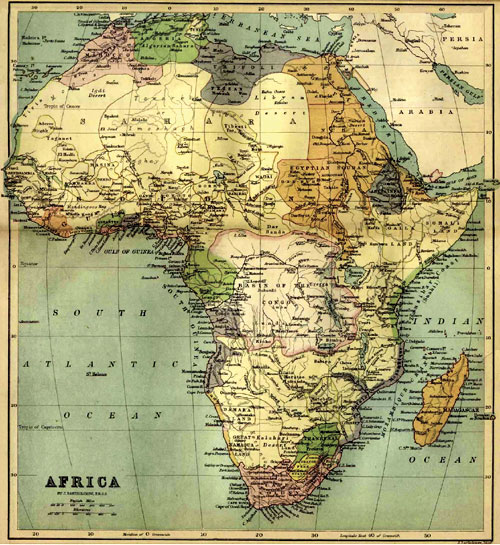
The Great Africa Expedition first began back in 2012, and for each of the past three years Julian has gone back to the continent to explore the changing ethnography of the indigenous people that live in a variety of regions. This year he'll be trekking through the Karamoja region, an area that crosses through Kenya, Uganda, and Sudan. That part of Africa is home to the Karamajong people, who migrated there from what is now Ethiopia around 500 years ago.
In the fourth phase of the expedition, Fisher will follow in the footsteps of Major Percy Horace Gordon Powell-Cotton (yes, that is all one name!) and Scottish hunter-explorer W.D.M. Bell, both of whom traveled through this part of Africa in the early 20th century. The Karamoja region remains mostly unchanged since that time, with very little development and few humans occupying the area.
Julian will once again be carrying a flag from the Explorer's Club for this expedition as he continues his research into the lives of native groups who have developed from hunting with bows and spears to AK-47s. He will examine how these pastoral herdsman have adapted to the modern era, and which of their unique traditions have managed to survive in the 21st century.
Fisher's route will also take him to Mount Elgon, Mount Kadam, the Kidepo Valley, and Mount Morungole, where anthropologist Colin Turnbull studied the Ik tribe of Uganda back in the 1960's. Turnbull wrote a book about the Ik entitled The Mountain People, and his graphic depiction of their lifestyle, and the hardships they endured as the result of their displacement from their ancestral lands, caused quite a stir at the time. The Ik were forced into a major famine due to their migration, which caused major problems for the tribe.
You can learn more about Julian's plans by visiting the official website of the Great African Expedition. He'll depart next week for the journey, and will spend about a month in the field. While he is there, he'll be posting regular updates to his website as well, keeping us apprised of his adventure along the way.
30 Aralık 2014 Salı
Adventurer Plans to Walk the Length of the Congo River
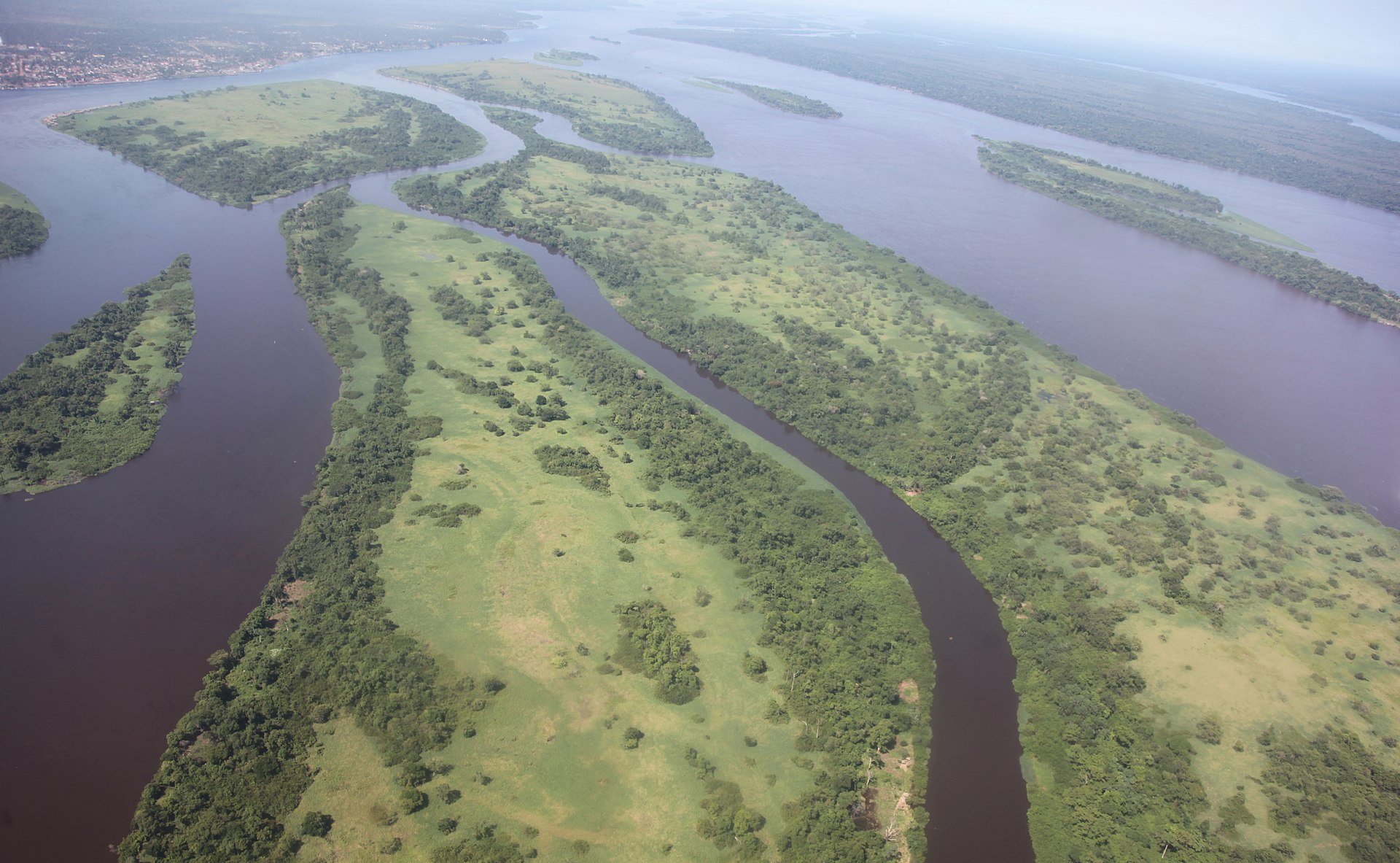
The expedition is currently still in the planning stages, and isn't set to begin until the spring of 2016. That is when explorer Toby Storie-Pugh will launch his attempt to Walk the Congo, an expedition that he believes will take roughly 12-14 months to complete.
The journey will begin at the headwaters of Chambeshi River in northeastern Zambia – the very source of the might Congo River itself. From there, the river descends into the Bangweulu Swamp, before merging into the Luvua, and eventually the Lualaba Rivers. Storie-Pugh will continue along that route until he reaches the village of Kisangani, which his where the Congo officially begins. That town will mark the halfway point of the journey, with the toughest section yet to come.
From there, the route will lead into an 800-mile (1287 km) stretch of thick jungle and flooded forestland that will be incredibly difficult to pass through. That same section of the river passes along the equator, making it an incredibly hot and humid region. If Storie-Pugh and his team successfully make it through what will undoubtedly be the toughest part of the trek, they will reach Kinshasa, the capital of Democratic Republic of Congo. From there, they'll have to make one final push to the end of the river at the Atlantic Ocean.
In terms of how much water flows along the river, the Congo is second only to the Amazon. It is also the deepest river in the world, reaching depths of more than 220 meters (720 ft) at certain points. Combine the massive size of the river with the incredibly tough terrain that surrounds it, and you have a challenge more akin to Ed Staffor's walk along the Amazon, as opposed to Lev's Nile excursion.
Toby won't be completely alone on this expedition. He'll be joined by documentary filmmaker Simone Bazos, who will be documenting the project along the way. He is also taking applications for an expedition co-leader to join the squad and help see the project comes to a successful end. You can check out the qualifications for the position, and see that application by clicking here.
Before he begins training for the Congo, Toby will first head to Nepal in the spring of 2015 to attempt to climb Everest. Once that expedition is complete, he'll then turn his attention more fully on walking the Congo. If all goes according to plan, he will set off on the journey sometime in the spring of 2016.
Find out more at WalkTheCongo.com.
20 Ekim 2014 Pazartesi
Fears of Ebola Crushing Africa's Safari Tourism Industry

Since then, the bottom has fallen out in the safari tourism industry, with bookings dropping off to almost nothing. Countries such as Tanzania, Kenya, South Africa, and Botswana are all seeing their economies damaged by fear over Ebola, even though they are thousands of miles away from the countries that have suffered the epidemic. In fact, there are European nations that are closer to West Africa, where the virus is most prevalent, than the countries that I've named above.
New reports indicate that safari operators are seeing a 20-70% drop off in new bookings for the rest of this year, and into 2015. This is an alarming number for many countries in Africa, who had seen tourism rise dramatically in recent years. In fact, 2014 was poised to have the best travel numbers of all time, as more people planned holidays on safari. But now, fear over Ebola has put the breaks on the tourism economy, most due to a misunderstanding of the geography of Africa.
Make no mistake, Ebola is a dangerous virus, and those traveling to West Africa should take caution, particularly if they are visiting Liberia, Guinea, and Sierra Leone. But the disease has not spread to other parts of the continent, and thus travelers are safe from coming in contact with someone who is infected. Still, there is a misperception that Africa is just one big place, and that all of it is rampant with Ebola. As a result, the entire continent is being lumped together, with dire consequences for the economy there.
As Ebola cases have started to turn up in the U.S., it seems that fear and uncertainty over the virus have reached an all time high. There have been several incidences of planes being diverted due to panic over potential Ebola exposure onboard, none of which have proved to be true as of yet. The general misconceptions over the disease continue to grow, and it seems that there are major concerns amongst the public, even though the chances of contracting the disease are practically nonexistent. It has been sad to watch the reaction people who don't understand how it is spread, and are deathly afraid that they'll be exposed to the virus.
All of this leads me back to the premise of the article I wrote last month. Now is a good time to go to Africa, as the predicted drop off in tourism there is happening. That means there will indeed be good deals on flights to the continent, as well as on safaris, Kilimanjaro climbs, and other adventure activities. If you've ever wanted to go to Africa, now is the time to start planning. I think if you do a little research, remain a bit patient, and plan properly, you'll be able to find some incredible deals that will be too good to pass up.
Don't let fear over Ebola stand in the way of visiting some of the amazing places in Africa. You'll be just as safe there as you would be back home, and you'll get an experience of a life time. Definitely take advantage of this opportunity to visit some of my favorite places on Earth. You won't regret it.
3 Ekim 2014 Cuma
Explorer Julian Monroe Fisher Announces Ambitious Schedule for 2015
In January/February of next year, Julian will travel to Uganda and South Sudan carrying Explorers Club Flag #89 on a research expedition to explore cattle rustling amongst the pastoral herdsmen that still subsist in those countries. He hopes to explore the evolution of these tribesman, who went from using bows and arrows, and spears, to AK47 automatic rifles.
Once that project is complete, Julian will then launch Phase 4 of his RailRiders 2012-16 Great African Expedition. Scheduled to take place from June to August of 2015, Fisher will be traveling overland, starting from the coast of the Indian Ocean in Mozambique. He'll set out from the grave site of Captain William Grant Stairs, a Canadian-British explorer who played a pivotal role in the exploration, and eventual colonization, of Africa. From there, Fisher will travel up the Zambezi River, through Zimbabwe and Zambia, to the Kingdom of Katanga. His journey will then take him from the source of the Congo River to Kinshasa, all the way to the Atlantic Ocean.
After he has returned from Africa, Julian will also launch a new expedition to explore the Carolina River system back home in the U.S. Over the course of two years (2015-2016), he hopes to paddle 32 individual rivers throughout the Carolinas, with those journeys being filmed for a television program. This project is entitled "Carolina Rivers -Education, Preservation through Exploration." Throughout the journey, Julian will work closely with schools to develop a curriculum tools that will instill in students a better understanding of the environment that surrounds the Carolina rivers, and the importance of preserving them for future generations.
As if all of that wasn't enough, sometime in 2015, OutWildTV will also begin airing a documentary film and television series from two phases of Julian's Great African Expedition. Those programs will cover his journey through South Sudan and Uganda. You can find out more about those expeditions by clicking here.
While I can tell you for a fact that Julian is enjoying his new gig as a radio host, I know he is also looking forward to getting back to his "day job" as an explorer as well. It seems he will have some great opportunities to do just that next year.
30 Eylül 2014 Salı
Must Read: The Good Guide Paradox by Richard Bangs
The article begins by first mentioning the notorious 1996 spring climbing season on Everest, in which eight people were caught in a storm on the mountain and perished there. Amongst them was Rob Hall, who was widely considered one of the best mountain guides in the world at the time. But Richard asserts that in a bid to get good press (Hall was hosting Jon Krakauer for Outside magazine), Rob had several lapses in judgement that would ultimately cost him, and his client, their lives. In a quote from the article, Bangs says "He put his own self-interest ahead of his client's, and they both paid the price."
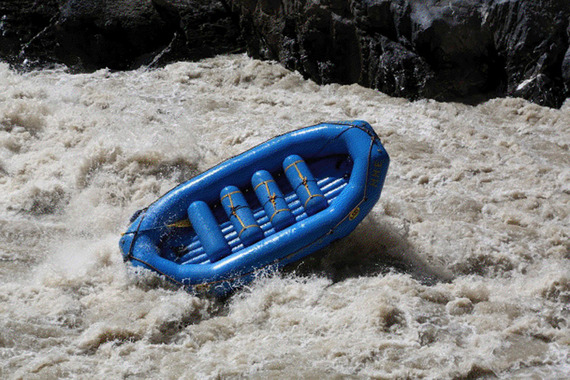
Those probably sound like harsh words, but Richard speaks from a place of experience. He goes on to recount a tale in which he made a similar decision that he would ultimately come to regret. At one point, Bangs ahas leading an expedition down the Baro River in Africa, and he allowed an inexperienced person to join the team, mostly because he was offering a substantial amount of money. It was enough money in fact that he could almost fund the entire expedition just on what this one client was offering alone. The promise of quick cash led to a clouding of judgement as well, and when disaster struck on the river, this wealthy, but inexperienced, client was lost.
The tragedy sent Bangs into a tailspin, and for months he questioned many of the things that he had felt so strongly about prior to the expedition to the Baro. For a time, he turned his back on guiding and exploration altogether, as the entire experience left a bitter taste in his mouth. His own failure as a guide stung on numerous levels, and he no longer trusted the instincts that had served him well on many first descents and river trips in the past.
It took a long time for Richard to recover, and it wasn't until he returned to the activities that he so dearly loved that he began to make sense of the situation. But it was then that he realized the "guide paradox" that is referenced in the title of the article. In order for a guide to become good at his or her job, they must first gain experience, and sometimes that experience will come as a result of bad judgement calls. As Bang himself says in the story, "you have to risk and fall down to get to that high place of judgment that is sound."
If you're looking for perspective on what separates good guides from poor ones, and what drives them to do the job they do, then this is certainly an article you don't want to miss. Richard has years of experience in the field, with rich stories to share. In this particular article, he shares a couple of very personal ones, as well as the lessons he learned along the way. There is something we can all learn from those experiences, whether we are serving as guides ourselves, or traveling with someone who is.
24 Eylül 2014 Çarşamba
U.S. Rotarians Climb Kilimanjaro to Eliminate Polio
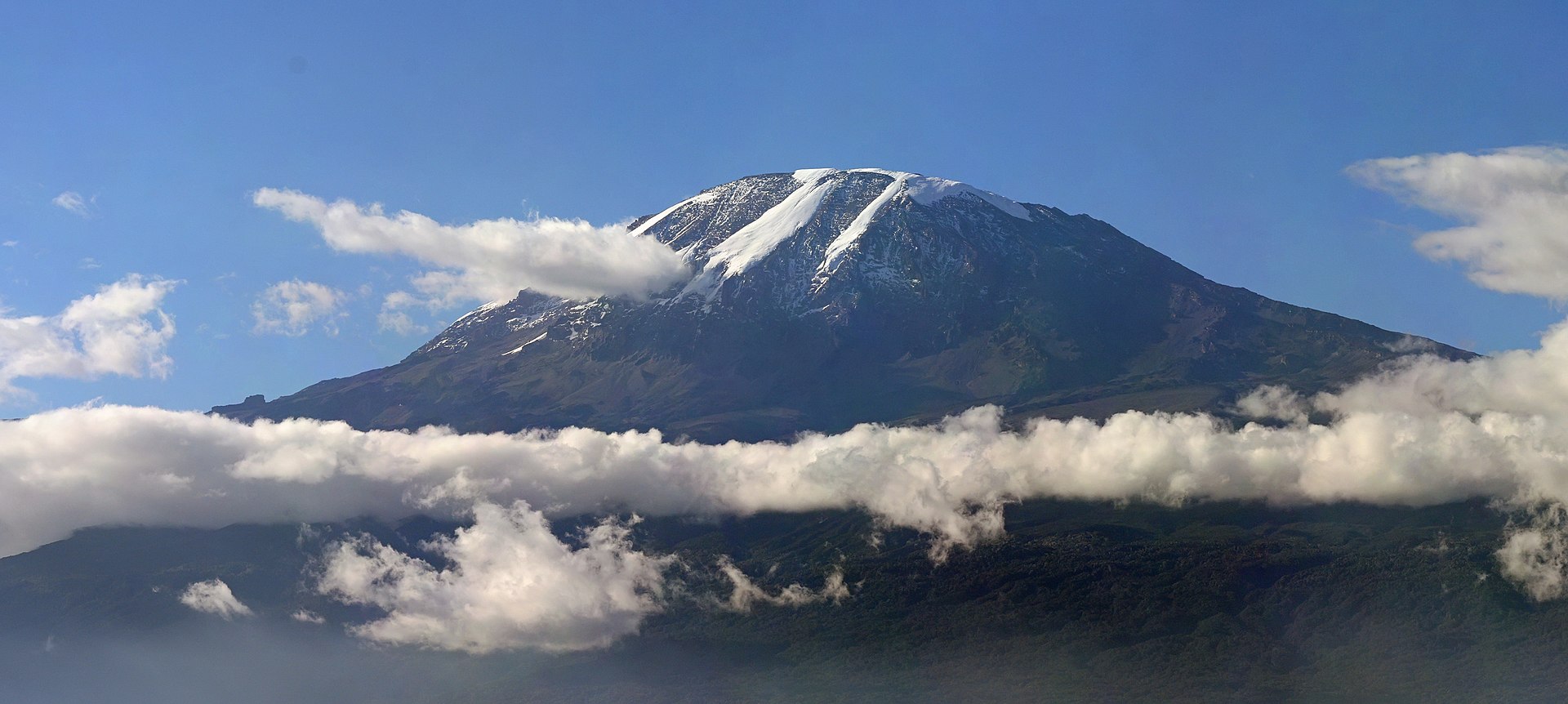
The group climbed Kili, the tallest mountain in Africa at 19,340 ft (5895 meters), along the Rongai Route a few weeks back. They were led by guides from Zara Tanzania Adventures, including American Macon Dunnagan, who was making his 35th ascent of the mountain. It took the nine climbers six days to reach the summit, along a path that is known for being one of the less used, and more difficult routes to take to the summit.
This Kilimanjaro climb has become somewhat of a tradition over the past few years. Members of the Rotary Club have undertaken treks to the summit in both 2012 and 2013. Two years ago, their efforts allowed them to raise $106,000 for the End Polio Now fund. This year, they have set their sights much higher, and they expect to reach their goal, even though the climb is over.
Kilimanjaro is the tallest free-standing mountain in the world. The dormant volcano draws thousands of adventurous travelers each year, as the climb is a non-technical one that mostly involves acclimatizing to the altitude, and trekking to the summit over 6 or 7 days. For many, it is a good introduction to hiking in rough terrain at altitude, which could lead to similar adventures elsewhere in the world, such as the Himalaya or the Andes.
I want to congratulate the Rotary team on achieving one of their goals by reaching the summit. They continue working towards their other goal, which is raising funds to stamp out polio across the globe. Certainly another worthy cause.
22 Eylül 2014 Pazartesi
Video: Above Sea Level (Climbing Mt. Kenya and Kilimanjaro)
Here's a fun and creative video that follows two climbers as they go up both Mt. Kenya and Kilimanjaro in Africa. The men carried a GoPro camera with them on their trek, and shot some funny video at various points along both mountains that captured their mood at each step of the climb. It is a not-so-serious look at scaling both peaks that is good for a few chuckles along the way.
Above sea level from Miguel Campos on Vimeo.
16 Eylül 2014 Salı
Video: Paddling in Africa to Save the White Nile
The legendary White Nile River in Uganda is under threat by the construction of a new dam, which could alter the paddling scene, not to mention the environment, there dramatically in the years to come. In an effort to raise awareness of this situation, two adventurous young women – Mariann Sæther and Nouria Newman – have gone to Africa to run some of the iconic rapids, and to show support for the kayaking industry that has sprung up along the river. An industry that is being threatened as well. The video below shares their story and gives us a glimpse of what it is like paddle the dramatic whitewater of the White Nile.
15 Eylül 2014 Pazartesi
Why Now is a Good Time to Visit Africa

As some of you probably already know, I have recently taken over the adventure and outdoor travel page at About.com. Over the past month and a half, I've been truly enjoying writing on the site, as I get to cover a number of topics that I'm truly passionate about, including travel. Over the weekend I wrote a piece that was posted there entitled "Why Now is the Time to Visit Africa," and I thought that it might be worth sharing here as well.
The gist of the story is that fear and uncertainty over the ongoing Ebola epidemic in West Africa is causing a lot of travelers to cancel their plans to visit the continent, most out of ignorance about the geography there, and the dangers presented by the disease. While it is true that Ebola should be a concern for those traveling in Liberia, Sierra Leone, Guinea, Nigeria, and Senegal, numerous other countries are seeing their tourism industries decimated by the virus, even though there have been no cases of it reported within their borders. Places like Kenya, Tanzania, and South Africa, which is actually further away from the Ebola outbreak than some European countries.
The number of travelers heading to Africa is expected to drop off dramatically in the months ahead. In fact, there are some indications that the number of flights to sub-Saharan Africa could fall off by as much as 50% by the end of the year. Hotels and tour guides are reporting large numbers of cancellations, as travelers scramble to book their holidays elsewhere. All signs are pointing to massive slowdown to the tourism industry across Africa, which had been growing at an incredibly fast rate over the past three years.
But this slow down presents some opportunities for travelers who understand that the Ebola outbreak is not a threat to those visiting most of the continent. As I pointed out in my article, there are 47 countries in Africa, five of which are being impacted directly by this disease. Most of the others are safe, and welcoming to visitors, and have some amazing things to share with those who come. And if the drop off in tourism is as bad as it is expected to be, there will likely be some amazing travel deals available. KLM has already started offering very affordable rates to a number of countries in Africa, and empty hotels and lodges will be looking to fill rooms any way that they can. That means, that if you've ever wanted to go to Africa, now might be the most affordable time to do so.
Many of the economies in Africa rely heavily on tourism, and this downturn could have a long, and far-reaching, impact on the people that are directly or indirectly employed by the travel sector there. By gong now, we're not only helping to bolster those economies, we're also showing others that there is no reason to fear Ebola while on safari in Kenya or Botswana for instance. It is a reminder that South Africa has seen zero cases of the disease, and is perfectly safe for foreign visitors, and that Zanzibar in Tanzania is unaffected by the disease. Most of all, it is a good opportunity for travelers to visit a part of the world that is rich in history, culture, and natural resources. One that everyone should see at some point.
Kaydol:
Kayıtlar (Atom)